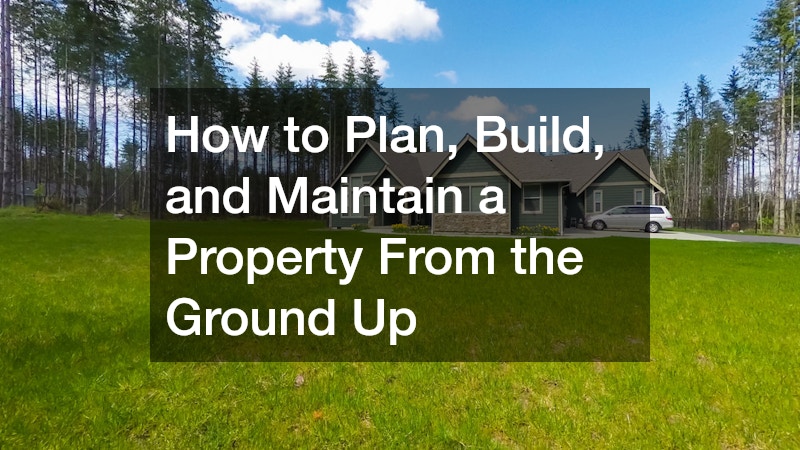
Owning a home is both a milestone and an ongoing responsibility. Beyond the initial purchase, maintaining your property requires consistent attention, strategic planning, and a clear understanding of how each system in your home functions. Property maintenance is not just about fixing what’s broken—it’s about preserving value, preventing costly repairs, and ensuring your home remains safe and comfortable year-round.
From routine upkeep to large-scale improvements, homeowners must adopt a proactive approach. Whether you’re scheduling septic pumping, coordinating with roofers, or planning long-term upgrades like driveway paving, every decision contributes to the overall condition and longevity of your property. This guide outlines the essential aspects of property maintenance, helping you stay organized, informed, and prepared.
Understanding the Full Scope of Home Ownership Responsibilities

Homeownership involves a wide spectrum of responsibilities that range from simple maintenance tasks to complex structural projects. Routine upkeep includes activities like cleaning gutters, replacing HVAC filters, and performing regular drain cleaning to keep plumbing systems running smoothly. These tasks are relatively low-cost and manageable, but play a critical role in preventing larger issues.
On the other end of the spectrum are major structural projects, such as foundation repairs, roof replacements, or even hiring a residential demolition contractor when a structure is no longer salvageable. These projects require professional expertise, permits, and a significant financial investment. Understanding where each task falls helps homeowners prioritize and budget accordingly.
Assessing your property’s condition starts with a comprehensive inspection. Evaluate your roof, siding, foundation, plumbing, and electrical systems. Look for visible damage, wear, or inefficiencies. This baseline assessment allows you to identify urgent concerns and develop a long-term maintenance strategy that protects your investment over time.
Creating a Seasonal Home Maintenance Calendar
A well-structured maintenance calendar ensures that no critical task is overlooked. Each season brings its own set of challenges and priorities, making it essential to plan accordingly.
Spring and summer are ideal for exterior inspections and repairs. This is the time to schedule driveway paving if your surfaces show signs of cracking or deterioration. It’s also a good opportunity to inspect your landscaping, clean gutters, and assess your home’s drainage systems. Warmer months are also ideal for coordinating with masonry companies to address issues like cracked retaining walls or deteriorating brickwork.
Fall and winter preparation focuses on prevention. Sealing gaps, insulating pipes, and servicing heating systems are critical steps to avoid cold-weather damage. Ensuring your fireplace is clean and functioning properly is especially important before the colder months set in, as it contributes to both comfort and safety.
Scheduling professional service visits throughout the year is key. Regular inspections by specialists—whether for roofing, plumbing, or HVAC—help catch issues early and reduce the risk of unexpected breakdowns. A seasonal approach keeps your home operating efficiently and minimizes long-term costs.
Keeping Your Roof and Exterior in Peak Condition
Your roof is one of the most critical components of your home’s structure. It serves as the first line of defense against weather, moisture, and environmental wear. Recognizing early warning signs—such as missing shingles, water stains, or sagging areas—can prevent minor issues from escalating into major repairs.
While some maintenance tasks, like clearing debris or replacing a few shingles, can be handled independently, more complex issues require professional roofers. Attempting to address significant damage without proper training can lead to further complications and safety risks.
Exterior maintenance extends beyond the roof. Siding, gutters, and downspouts all play a role in protecting your home. Regular cleaning and inspections ensure that water is properly directed away from the foundation, reducing the risk of structural damage. A well-maintained exterior not only preserves your home’s integrity but also enhances curb appeal and overall property value.
Managing Your Home’s Water and Drainage Systems
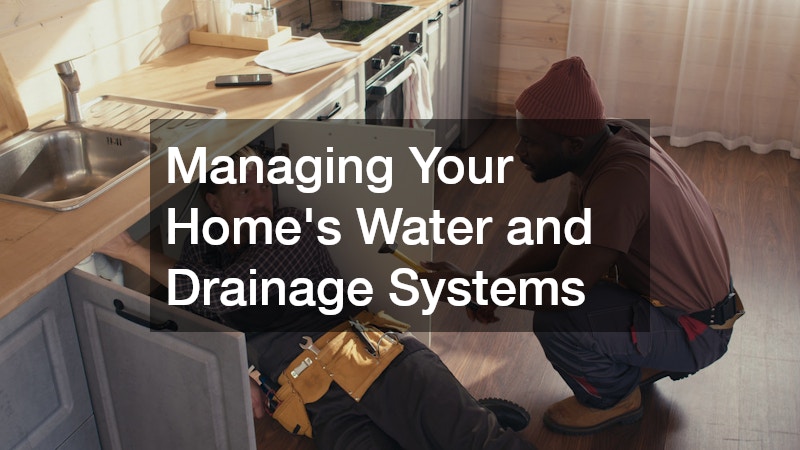
Water management is a critical aspect of property maintenance. Poor drainage can lead to foundation issues, basement flooding, and landscape erosion. Regular inspections of both surface and underground systems are essential.
Clogged drains are one of the most common issues homeowners face. Routine drain cleaning helps prevent backups and ensures efficient water flow throughout your plumbing system. Ignoring minor clogs can lead to more serious problems, including pipe damage and costly repairs.
Proper grading around your home, functional gutters, and well-maintained downspouts all contribute to effective drainage. Additionally, keeping an eye on signs like pooling water, slow drainage, or unusual odors can help you identify problems early. Preventive measures, combined with professional inspections, keep your water systems functioning as intended.
Caring for Your Underground and On-Site Utility Systems
Many critical systems in your home operate below the surface, making them easy to overlook. If your property relies on a private water source, well drilling and maintenance become essential components of your upkeep strategy. Regular testing ensures water quality and system efficiency.
Waste management systems also require consistent attention. Scheduling septic pumping at appropriate intervals prevents system overload and reduces the risk of backups or contamination. Homeowners should also monitor for warning signs such as slow drains, unpleasant odors, or soggy areas in the yard.
Understanding how these systems work allows you to identify when professional intervention is needed. Delaying maintenance can result in significant damage and higher repair costs. Proactive care ensures that your underground utilities remain reliable and efficient.
It’s also important to understand how external factors can impact underground systems over time. Tree root intrusion, soil shifting, and seasonal moisture fluctuations can all place stress on buried pipes, tanks, and water lines. Without regular monitoring, these issues can develop silently until they cause significant disruption or damage. Periodic inspections using camera technology or pressure testing can help detect early-stage problems, allowing for targeted repairs instead of full system replacements. Staying ahead of these risks ensures your underground utilities remain stable, efficient, and less vulnerable to unexpected failure.
Maintaining Your Home’s Heating, Cooling, and Interior Features
Interior systems are just as important as exterior components when it comes to property maintenance. Heating appliances, including your fireplace, require regular inspections and cleaning to operate safely and efficiently. Neglecting these systems can lead to reduced performance and potential safety hazards.
HVAC systems should be serviced regularly, with filters replaced according to manufacturer recommendations. Proper ventilation and airflow not only improve indoor air quality but also enhance energy efficiency, reducing utility costs over time.
Interior maintenance also includes addressing minor issues before they escalate. Small leaks, cracks, or electrical concerns may seem insignificant, but can quickly develop into major problems if left unaddressed. A proactive approach to interior care helps maintain a comfortable and functional living environment.
Another important consideration is system calibration and performance monitoring over time. Even when equipment appears to be functioning normally, gradual declines in efficiency can signal underlying issues such as duct leakage, thermostat misalignment, or aging components. Periodic energy audits and system tune-ups help identify these inefficiencies early, allowing for targeted adjustments that improve performance and reduce operating costs. Integrating smart thermostats and monitoring tools also gives homeowners greater control over usage patterns, making it easier to maintain consistent indoor comfort while minimizing unnecessary strain on heating and cooling systems.
Outdoor Hardscape and Surface Upkeep
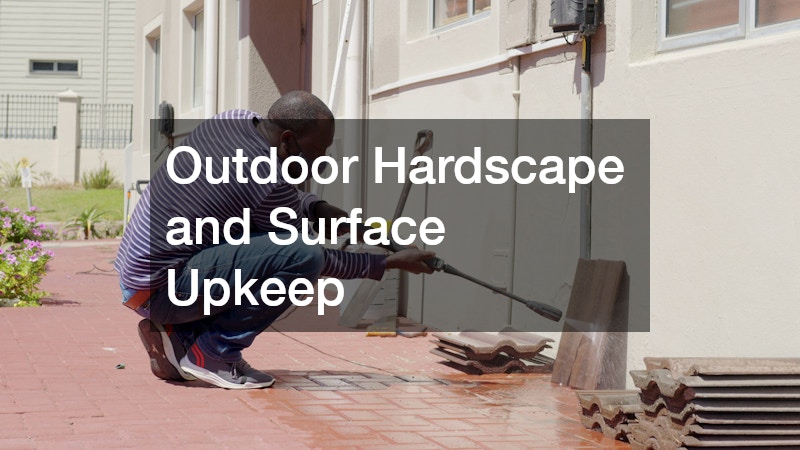
Hardscapes, such as driveways, walkways, and patios, are subject to constant wear and exposure to the elements. Over time, these surfaces can develop cracks, settle unevenly, or deteriorate due to weather and heavy use.
Regular inspections help identify early signs of damage. Addressing these issues promptly—whether through sealing, patching, or resurfacing—extends the lifespan of your hardscape. Driveway paving projects may be necessary when damage becomes extensive, ensuring both functionality and visual appeal.
In some cases, specialized tools and expertise are required. A concrete cutter, for example, may be needed to remove damaged sections or prepare surfaces for repairs. Seasonal treatments, such as sealing and cleaning, further protect your hardscape from moisture, temperature fluctuations, and wear.
Landscaping, Water Features, and Aesthetic Improvements
Landscaping plays a significant role in both the appearance and functionality of your property. Thoughtful design choices can reduce maintenance demands while enhancing curb appeal. Incorporating native plants, efficient irrigation systems, and durable materials helps create a sustainable outdoor environment.
Water features, such as those created through fountain design and installation, add a unique aesthetic element to your landscape. However, they require ongoing maintenance to ensure proper operation and prevent issues like algae buildup or mechanical failure.
Regular upkeep of decorative elements, including pathways, retaining walls, and garden structures, ensures they remain in good condition. Partnering with experienced masonry companies can help address structural concerns and maintain the integrity of these features.
Long-term success with landscaping and aesthetic upgrades also depends on integrating maintenance into the initial design phase. Features like irrigation systems, lighting, and decorative installations should be planned with accessibility and serviceability in mind to reduce ongoing labor and repair costs. For example, incorporating proper drainage beneath planting beds or hardscape elements helps prevent water accumulation that can damage both vegetation and structural components. Regular inspections, seasonal adjustments, and occasional professional servicing ensure that enhancements—whether plantings or fountain design and installation—continue to perform efficiently while preserving the overall visual impact of your outdoor space.
Knowing When a Project Requires Demolition or Structural Work
Not all issues can be resolved through repairs. In some cases, structures on your property may be beyond restoration. Identifying when a project requires demolition or significant structural work is critical to maintaining safety and compliance.
Signs such as severe structural damage, extensive rot, or outdated construction methods may indicate that replacement is the best option. Working with a residential demolition contractor ensures that the process is handled safely and in accordance with local regulations.
Planning for demolition involves more than just tearing down a structure. It requires careful consideration of site preparation, debris removal, and potential environmental impacts. Engaging licensed professionals helps streamline the process and ensures that all aspects of the project are managed effectively.
Another critical factor in determining whether demolition or structural work is necessary is cost-benefit analysis. Homeowners should compare the cumulative expense of repeated repairs against the one-time cost of replacement or teardown. In many cases, ongoing patchwork—especially for aging outbuildings, failing additions, or compromised foundations—can exceed the cost of starting over while still failing to resolve underlying issues. Consulting with structural engineers and experienced contractors provides clarity on long-term viability, safety risks, and code compliance, helping you make a decision that aligns with both your budget and the property’s future value.
Building Your Go-To Network of Home Maintenance Professionals

A reliable network of professionals is essential for effective property maintenance. Key trades include roofers, plumbers, electricians, HVAC technicians, and specialists in areas like well drilling and septic pumping. Having trusted experts on call allows you to address issues quickly and confidently.
When selecting contractors, it’s important to verify credentials, check references, and review past work. Building long-term relationships with reputable professionals ensures consistent quality and reliability.
Budgeting is another critical component. Allocating funds for routine maintenance, as well as setting aside reserves for unexpected repairs, helps you manage costs without financial strain. A strategic approach to hiring and budgeting ensures that your property remains well-maintained and protected.
Another often overlooked aspect of building a strong contractor network is communication and documentation. Homeowners should keep detailed records of past projects, service dates, warranties, and contractor contact information to streamline future maintenance and repairs. Clear communication about expectations, timelines, and budgets helps prevent misunderstandings and ensures smoother project execution. Over time, this level of organization allows contractors to better understand your property’s history, resulting in more accurate recommendations, faster diagnostics, and more efficient service overall.
Property maintenance is an ongoing commitment that requires attention, planning, and informed decision-making. By understanding the full scope of responsibilities, creating a structured maintenance plan, and working with qualified professionals, homeowners can protect their investment and avoid costly surprises.
From routine tasks like drain cleaning to larger projects involving masonry companies or a residential demolition contractor, every aspect of maintenance plays a role in preserving your home’s value and functionality. Taking a proactive approach ensures that your property remains safe, efficient, and visually appealing for years to come.
Ultimately, successful homeownership comes down to consistency and preparedness. With the right strategies and resources in place, you can confidently manage your property and enjoy the long-term benefits of a well-maintained home.