Highlights:
- Not all renovations increase a home’s selling value—some improve appeal and speed, while others don’t generate meaningful return on investment.
- Buyers judge homes quickly, often online first, so presentation and first impressions can heavily influence whether they schedule a viewing.
- Small, targeted updates (like paint, lighting, cleaning, and minor fixes) usually outperform expensive full-scale remodels before selling.
- Repairs that affect safety or functionality (roof, plumbing, electrical, HVAC) should always take priority over cosmetic improvements.
- Over-improving a home beyond neighborhood standards can limit your buyer pool and reduce financial return.
- Curb appeal and exterior presentation play a major role in shaping buyer perception before they even enter the home.
- In many cases, a clean, well-maintained, move-in-ready feel matters more than high-end upgrades or major renovations.
Selling a home is one of those decisions that sounds simple on paper but gets complicated fast once you start looking at the details. You might be wondering if putting money into renovations will help your sale price or if it’s just a costly delay that doesn’t really move the needle.
The truth is, there’s no one-size-fits-all answer. Some renovations can significantly boost your home’s value and help it sell faster. Others barely get noticed by buyers and may not return what you spend.
This guide breaks everything down in a practical way so you can decide what makes sense for your situation, your timeline, and your budget.
Why Do Renovations Matter When Selling a Home?
Buyers today are more informed than ever. Most of them start their search online, where they can compare dozens of listings in minutes. That means your home isn’t just competing with a few nearby properties—it’s competing with every well-presented listing in the same price range. If your home looks outdated, poorly maintained, or like it needs a lot of work, many buyers will simply skip it without even scheduling a viewing.
That’s where renovations come in. But it’s important to be clear: not all renovations are equal, and not all of them are worth doing before you sell. Some updates are purely cosmetic and help your home look more appealing in photos and showings. Others are more functional, helping you pass inspections more smoothly or reducing the chances of buyers negotiating the price down after an inspection report.
This is why many sellers start evaluating home updates before selling early in the process. The goal isn’t to turn the house into a brand-new property, but to remove obvious objections that could scare buyers away or weaken your negotiating position.
That said, not all renovations are created equal. Some improvements help buyers emotionally connect with the home, while others simply improve inspection results or reduce negotiation pressure. A fresh coat of paint or updated lighting can make a home feel move-in ready, while fixing leaks or replacing damaged flooring helps buyers feel more confident about the condition of the property.
Before deciding anything, it helps to understand the three main ways renovations impact a sale:
- Price impact: Some upgrades can justify a higher asking price, especially if they align with what similar homes in the area offer.
- Speed of sale: Homes that look clean, modern, and well-maintained often attract more interest and sell faster.
- Buyer perception: Even small improvements can make a home feel more cared for, reducing hesitation and emotional resistance from buyers.
But here’s the catch: spending more doesn’t automatically mean earning more back. In many cases, homeowners overestimate the return on expensive renovations, especially when those upgrades don’t match the expectations of the local market.
Which Kitchen Updates Make Sense (And Which Don’t)?
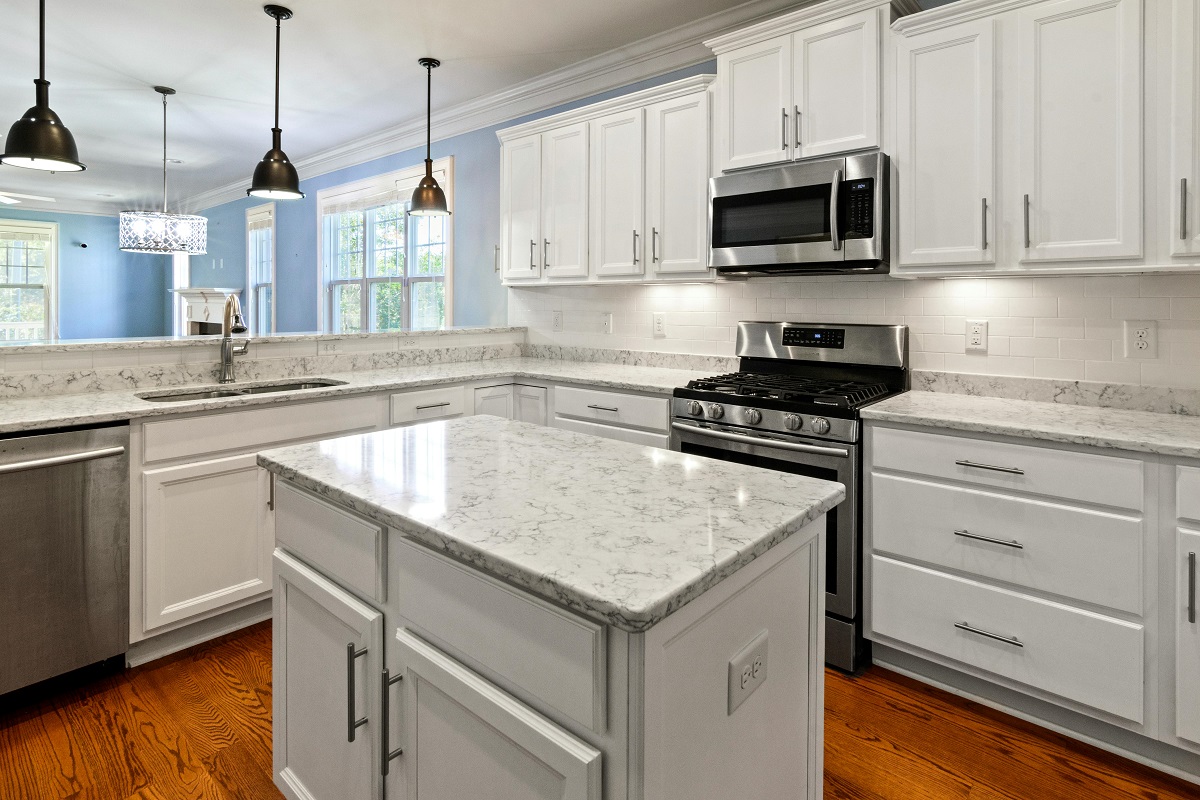
The kitchen is often the most emotionally charged room for buyers because it’s where people imagine daily life happening—cooking, gathering, and entertaining. Even small details can influence how “move-in ready” a home feels. The good news is you usually don’t need a full remodel to make a strong impression.
A full kitchen renovation can be expensive and time-consuming, and in many cases, you won’t fully recover the cost at resale. Instead, the focus should be on visible improvements that make the space feel clean, modern, and well-maintained.
High-ROI kitchen improvements:
- Painting or refacing cabinets to instantly modernize the space
- Updating hardware like handles, knobs, and faucets for a cleaner look
- Installing modern lighting to brighten the room and improve ambiance
- Replacing outdated countertops with more neutral, durable-looking surfaces
- Deep cleaning, decluttering, and removing personal items to improve presentation
These updates tend to work because they change the “feel” of the kitchen without altering its structure or layout.
Low-ROI kitchen upgrades:
- Full layout changes that require plumbing or electrical rework
- High-end appliances in mid-market homes where buyers may not value them fully
- Custom cabinetry replacements unless the existing ones are severely damaged
In most cases, buyers care more about cleanliness and visual appeal than premium materials. A minor refresh often delivers better returns than a full-scale renovation because it aligns better with what buyers expect at the price point.
What Bathroom Improvements Do Buyers Actually Care About?
Bathrooms play a surprisingly big role in buyer decisions because they signal how well the home has been maintained. Even if the rest of the house looks great, a tired or poorly kept bathroom can create doubts about hidden issues like plumbing or leaks.
Most buyers aren’t looking for luxury spa features—they’re looking for cleanliness, functionality, and a sense that everything works properly.
Smart bathroom improvements:
- Re-grouting tiles and fixing visible leaks to improve cleanliness and confidence
- Replacing old toilets or faucets that look worn or outdated
- Updating mirrors and lighting to brighten the space
- Applying neutral, modern paint colors to create a fresh feel
These changes are relatively low-cost but can dramatically improve how the bathroom is perceived during showings.
Avoid overspending on:
- Luxury spa-style remodels in homes that don’t justify the price point
- Heated flooring or premium fixtures that may not match neighborhood standards
A simple, clean, and well-maintained bathroom almost always performs better in resale than an expensive renovation that doesn’t align with buyer expectations. Buyers tend to value “new and functional” more than “luxurious but unnecessary.”
Does Curb Appeal Really Matter That Much?
Yes, and often more than homeowners expect. Curb appeal sets the tone for everything else a buyer experiences. Long before they notice the kitchen or bathrooms, they’re forming an emotional reaction based on the exterior.
Many buyers decide whether a home feels “right” within seconds of pulling up to the property. If the outside feels neglected, they may assume the inside has similar issues—even if that’s not true.
High-impact curb appeal fixes:
- Fresh exterior paint or targeted touch-ups to cover wear and tear
- Lawn care and landscaping cleanup to make the property feel maintained
- Power washing driveways, walls, and walkways to remove grime buildup
- Replacing or repainting the front door for a stronger focal point
- Updating outdoor lighting to improve visibility and presentation
These updates are often relatively inexpensive but have a strong psychological impact. They help create the impression that the home has been well cared for, which can increase both interest and perceived value.
Even small improvements here can influence whether buyers schedule a showing or scroll past the listing entirely.
Are Flooring Upgrades Worth It Before Selling?
Flooring plays a major role in how “finished” a home feels. It connects rooms visually and can either create a cohesive look or highlight inconsistencies. However, replacing flooring isn’t always necessary or financially smart before selling.
The key is understanding when flooring issues actually affect buyer perception versus when they’re just minor cosmetic concerns.
When it’s worth upgrading:
- Carpets are heavily stained, worn, or damaged beyond cleaning
- Different flooring types create a choppy or inconsistent appearance across rooms
- Flooring looks clearly outdated and drags down the overall impression of the home
In these situations, updates can help remove obvious objections and improve the home’s perceived value.
When to leave it alone:
- Hardwood floors are in decent condition, even if slightly worn
- Buyers in your market commonly replace flooring after purchase anyway
In many cases, refinishing existing hardwood floors is a smarter middle ground. It can restore a fresh, clean appearance without the higher cost of full replacement. Buyers often prefer simple, neutral flooring they can easily build on rather than overly customized or expensive materials that don’t match their taste.
Why Is Over-Customization a Problem?
Highly personalized design choices often reduce buyer appeal because they make it harder for potential buyers to imagine the home as their own. What feels unique or expressive to you may feel limiting or distracting to someone else.
Buyers tend to prefer a “blank canvas” effect, where they can mentally place their own furniture, colors, and style into the space without needing to undo strong design decisions.
Avoid:
- Bold or highly saturated wall colors that dominate a room’s feel
- Extremely specific or unconventional tile patterns that may feel dated quickly
- Built-in furniture or fixed layouts that reduce room flexibility (like permanent desks or custom entertainment walls)
Neutral design choices—such as light paint colors, simple finishes, and minimal styling—tend to perform better in listings because they appeal to a wider audience and photograph more cleanly for online exposure.
Do Luxury Upgrades Make Sense in Mid-Range Homes?
Not usually. One of the most common mistakes sellers make is upgrading a home beyond what the surrounding neighborhood supports. While these upgrades may improve comfort or aesthetics, they don’t always translate into higher resale value.
The issue is not quality—it’s market alignment. Buyers compare homes within the same price bracket and location, not based on individual renovation costs.
Examples of over-improvements include:
- Imported marble countertops or flooring in otherwise standard homes
- High-end smart home systems that exceed what most buyers in the area expect or want
- Designer lighting, fixtures, or finishes that are significantly above local listing norms
In many cases, these upgrades don’t increase your sale price proportionally. Instead, they can narrow your buyer pool to people willing to pay extra for features they may not prioritize.
Should You Avoid Full Structural Remodels Before Selling?
Yes, in most situations. Structural remodels involve major changes to the home’s layout or systems, and they rarely provide a strong return when the goal is to sell soon.
Unless there is a clear functional issue that affects safety or usability, large-scale changes are typically not cost-effective before listing. These include:
- Moving or removing interior walls to change floor plans
- Expanding rooms or adding square footage
- Major plumbing rerouting or electrical system redesigns
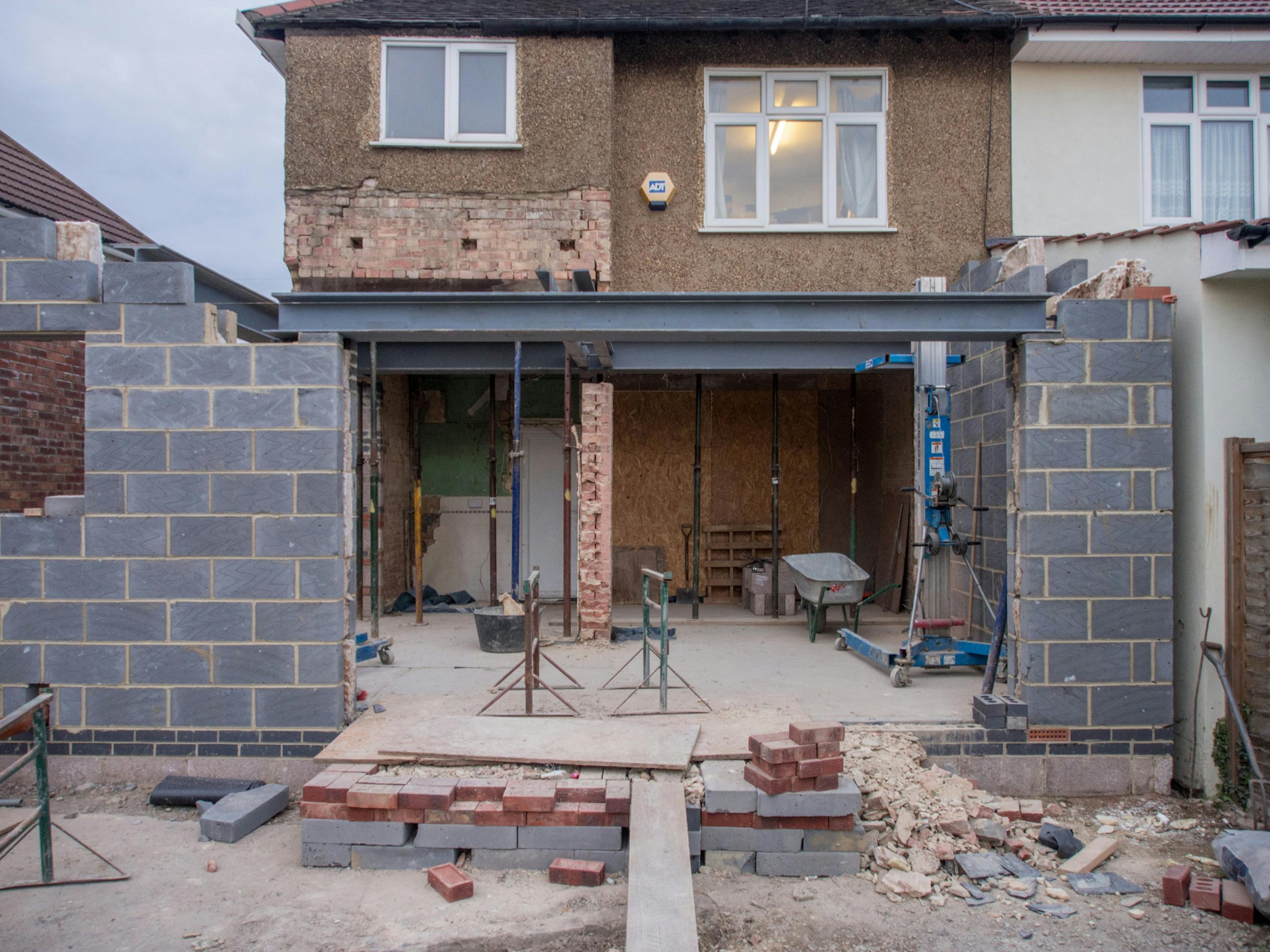
The main challenge is timing and ROI. These projects often take weeks or months, involve permits, and can introduce delays or unexpected costs. Most buyers would rather purchase a well-maintained home and customize it themselves after closing.
How Do You Decide What’s Worth Doing?
Deciding which improvements to make before selling usually requires balancing financial return with market expectations and timing.
Three key factors guide most decisions:
- Local market conditions: In a strong seller’s market, buyers may be more forgiving of minor flaws. In slower markets, presentation becomes more important.
- Home condition: If your home already shows well and is structurally sound, only minor updates may be needed. If it looks dated or worn, targeted improvements can help.
- Timeline to sell: If you need to sell quickly, focusing on essential fixes is usually better than taking on larger projects.
The goal is not to make the home perfect, but to make it competitive within its price range.
Should You Focus on Repairs Before Renovations?
Yes. Repairs should always come before any cosmetic or optional upgrades because buyers prioritize functionality and condition over aesthetics.
Even small unresolved issues can create the impression that the home has been poorly maintained, which can lead to lower offers or tougher negotiations during inspection. Prioritize fixing:
- Roof leaks, missing shingles, or visible water damage
- Plumbing issues such as leaks, low water pressure, or drainage problems
- Electrical concerns like faulty outlets, flickering lights, or outdated panels
- HVAC system performance, including heating and cooling consistency
- Structural concerns such as cracks in walls, ceilings, or foundations
Addressing these issues first helps build buyer confidence and reduces the likelihood of price deductions or repair requests later in the sale process.
How Much Should You Spend Before Selling?
A general rule of thumb is to keep pre-sale spending within approximately 2% to 5% of your home’s value, but this should always be adjusted based on your market and property condition.
This range is considered a balanced approach where improvements are enough to boost appeal without overinvesting in upgrades that won’t fully return their cost.
Spending beyond this range can reduce overall profit unless you are in a high-demand or luxury market where upgrades directly influence buyer expectations and pricing tiers.
It’s also important to distinguish between necessary repairs and optional improvements. Repairs protect your sale price, while upgrades aim to increase it—but not all upgrades pay back equally.
How Should You Plan Renovations Before Selling?
Planning matters just as much as execution because the order in which you handle improvements can significantly affect both cost and outcome. Without a clear plan, it’s easy to spend money on surface-level upgrades while missing issues that matter more to buyers or inspectors. A structured approach helps you prioritize what actually protects your sale price and improves buyer confidence.
A practical sequence often looks like:
- Fix urgent structural issues first: These include anything related to safety or functionality such as roof leaks, foundation concerns, plumbing problems, or electrical issues. Buyers and inspectors focus heavily on these, and ignoring them can quickly derail negotiations.
- Address visible repairs next: Once major systems are stable, focus on issues buyers can easily see, such as wall damage, broken fixtures, worn flooring, or water stains. These details heavily influence first impressions during showings.
- Improve cosmetic areas: After repairs are handled, shift to visual upgrades like fresh paint, updated lighting, decluttering, and basic modernizing touches that help the home feel cleaner and more current.
- Finish with curb appeal: The exterior is the first thing buyers see, so final improvements like landscaping, exterior cleaning, or minor front entry updates help complete the overall impression.
This reflects the best order to tackle multiple home projects, helping you focus on what actually moves the needle in a sale.
Do Small Updates Really Make a Difference?
Yes, and often more than homeowners expect. Small updates are especially powerful because they influence how buyers emotionally respond to the home within the first few seconds of seeing it—whether online or in person.
Even relatively minor improvements like paint touch-ups, updated lighting, or simple fixture replacements can have a noticeable impact on buyer perception. These changes don’t just improve appearance; they also reduce hesitation by making the home feel more maintained and move-in ready.
They typically help in three key ways:
- Improve listing photos by making spaces brighter, cleaner, and more visually appealing
- Make rooms feel larger and more open, especially with better lighting and neutral colors
- Reduce perceived maintenance concerns by giving the impression that the home has been well cared for
Because most buyers start their search online, these small improvements can have an outsized impact on whether someone clicks into your listing or scrolls past it.
How Important Is Maintenance Before Selling?
Maintenance is often more important than renovation because buyers are really looking for signs that a home has been properly cared for over time. When a property feels well-maintained, it instantly reduces concerns about hidden issues and future repair costs. On the other hand, even stylish upgrades can lose their impact if basic upkeep has been ignored.
This is where regular upkeep really pays off. Simple, ongoing care—especially the kind that helps prevent bigger problems later—can make a noticeable difference during a sale. In fact, many of these fall under practical home maintenance tasks that save money over time, since they help you avoid costly repairs while also improving buyer confidence. These include:
- HVAC servicing to ensure heating and cooling systems are working efficiently
- Gutter cleaning to prevent water damage and drainage issues
- Leak detection to catch plumbing problems early before they escalate
- Electrical safety checks to reduce risk and improve system reliability
- Pest prevention to avoid signs of infestation or structural damage
When these basics are taken care of, the home naturally feels more reliable and move-in ready. Neglecting them, however, can raise red flags for buyers and lead to lower offers or tougher negotiations—even if the home looks visually updated.
What If You’re in a Rush to Sell?
When time is limited, the entire strategy shifts. At this point, the goal is no longer about maximizing every possible dollar from the sale—it’s about making the home presentable enough to attract serious buyers quickly and avoid delays during listing.
Major renovations simply don’t make sense in a tight timeline because they can take weeks or even months to complete. On top of that, there’s always a risk of unexpected delays, contractor issues, or budget overruns, which can push your selling schedule even further back.
Instead of large-scale projects, the focus should be on fast, visible improvements that make an immediate difference in how the home shows.
Focus instead on:
- Cleaning and staging the home so it feels open, bright, and inviting
- Minor cosmetic fixes like patching holes, touching up paint, or replacing broken fixtures
- Quick repairs that address obvious issues such as leaky faucets or squeaky doors
- Improving lighting and presentation to make rooms feel larger and more welcoming
These types of improvements don’t require major planning or construction, but they can significantly improve first impressions. In a fast-moving sale situation, perception is everything. A clean, well-lit home that feels cared for will almost always perform better than a partially renovated property that is still “in progress.”
Speed matters more than perfection in these cases. A home that is fully ready to show—even if it’s not upgraded to the highest standard—will usually generate more interest than a home stuck in renovation limbo.
How Do Buyers Actually Think About Renovated Homes?
Buyers don’t evaluate homes purely based on logic. While they consider price, condition, and location, their final decision is often heavily influenced by emotion. This emotional response plays a major role in how they perceive value.
When buyers walk into a home that feels updated, clean, and well-maintained, they tend to imagine themselves living there more easily. The space feels less like a project and more like a potential home.
A well-presented home typically feels:
- Easier to move into without immediate work or stress
- Less risky because there are fewer visible signs of neglect or damage
- More worth the asking price because it feels “ready” rather than requiring investment
On the other hand, a home that looks like it needs work triggers a different mindset. Even if the structure is solid, buyers often start mentally subtracting from their offer price to account for future renovations, repairs, and inconvenience.
This leads to automatic discounting. Instead of focusing on what the home offers, buyers start focusing on what they will need to fix. That shift can significantly impact both offers and negotiation outcomes.
In many cases, it’s not the actual condition of the home that determines the final price—it’s how confident and comfortable buyers feel about it during the viewing.
When Should You Sell As-Is?
Selling a home as-is can be a smart and practical decision in the right circumstances. It’s not automatically a last resort—it can actually be a strategic choice depending on your goals, timeline, and the condition of the property.
This approach works best when the cost, time, or effort required for improvements doesn’t align with the expected return.
Selling as-is can make sense if:
- You’re short on time and need to sell quickly
- The home requires major repairs that would be expensive or time-consuming to fix
- The local market is highly competitive, and buyers are willing to take on projects
- You prefer a fast, simple transaction without managing renovations or contractors
In these situations, pricing the home correctly becomes even more important. Buyers who look at as-is properties are often investors, flippers, or budget-conscious buyers who are comfortable handling repairs themselves.
Interestingly, some buyers actually prefer fixer-uppers because it gives them control over renovations and potentially allows them to build equity through improvements. In those cases, trying to fully renovate before selling may not even be necessary or financially beneficial.
What Do Real Estate Agents Usually Recommend?
Most agents prioritize return over transformation. Instead of full renovations, they typically suggest:
- Strategic cosmetic upgrades
- Essential repairs
- Decluttering and staging
- Pricing strategy adjustments
The goal is maximizing net profit, not over-improving the property.
What’s the Smart Mindset Before Renovating?
Instead of asking what can be upgraded, the better question is:
What will buyers actually notice and value?
This helps you avoid unnecessary spending and focus only on changes that influence sale price or speed.
Final Thoughts: Should You Renovate Your Home Before Selling?
Renovating before selling can be worthwhile, but only when it’s done with a clear plan. The key is avoiding the assumption that bigger projects always lead to better returns. In many cases, small, targeted updates have a stronger impact than full remodels because they improve presentation without overspending.
Repairs usually matter more than luxury upgrades since buyers prioritize function and overall condition over high-end finishes. A home that feels well-maintained and problem-free will generally perform better than one with expensive upgrades but unresolved issues.
Ultimately, presentation plays a major role in buyer perception. A clean, well-prepared home that highlights its strengths will almost always lead to a smoother sale and a stronger financial outcome.