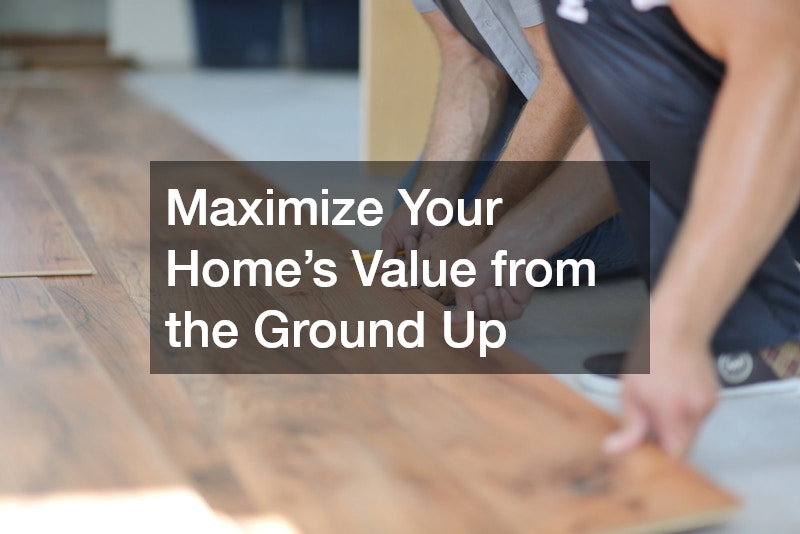
When potential buyers approach a property, their eyes naturally scan the environment, making subconscious calculations long before they step through the front door. While countertops, paint colors, and light fixtures often steal the spotlight in home improvement shows, seasoned real estate professionals know that the true value of a property is built from the bottum up. The condition of your driveways, walkways, flooring, and foundation forms the literal and figurative bedrock of your home’s market value.
When a structural base or surface material feels cheap, worn, or compromised, it triggers an immediate psychological red flag for buyers, signaling potential hidden expenses. Conversely, pristine surfaces and a rock-solid foundation signal a meticulously maintained home, allowing sellers to command a premium price.
Investing in these foundational elements yields some of the highest returns on investment (ROI) in the real estate market. Upgrading a cracked driveway or replacing stained, outdated carpeting with modern flooring options does more than just patch a hole; it transforms the entire aesthetic narrative of the property.
Balancing Durability and Modern Aesthetics

The living room, hallways, and entryways act as the central nervous system of your home. These areas endure the highest volume of daily foot traffic, making them susceptible to rapid wear and tear. When updating these spaces, the goal is to select materials that can withstand the chaos of kids, pets, and heavy boots while retaining a luxury, high-end feel.
Color psychology plays a massive role in how buyers perceive space. Today’s market heavily favors wider planks and lighter, neutral wood tones. These design choices reflect more natural light, making smaller rooms feel expansive, airy, and interconnected.
- Luxury Vinyl Plank: Best for high-traffic zones, pet-friendly spaces, and basements due to its waterproof qualities and high durability.
- Engineered Hardwood: Best for main living areas, dining rooms, and upper-level bedrooms, offering authentic wood appeal with added stability.
- Porcelain Tile: Best for mudrooms, entryways, and high-moisture environments where maximum scratch and water resistance are required.
To achieve a flawless look that maximizes appraisal value, keep the following actionable tips in mind:
- Eliminate Transition Stumbling Blocks: Ensure that transitions between different flooring types are perfectly flush to create a seamless visual flow and eliminate trip hazards.
- Prioritize Sound Dampening: Always install high-quality underlayment beneath your floors to reduce hollow clicking sounds, creating a quieter, more premium-feeling environment.
- Match the Architectural Style: Align your flooring choices with the character of the home; a sleek, ultra-modern gloss might look out of place in a rustic craftsman property.
Achieving this level of precision typically requires professional intervention. Partnering with experienced flooring contractors ensures that subfloors are perfectly leveled and acclimated before installation, which is a major selling point for open-concept homes where flaws are easily spotted. Furthermore, modern vinyl flooring has become a darling of real estate agents due to its waterproof properties, incredible scratch resistance, and high-end visual appeal that mimics authentic hardwood at a fraction of the cost.
Maximizing Value in the Most Critical Rooms
Kitchens and bathrooms are universally recognized as the dual engines of residential property value. Buyers inspect these spaces with a critical eye, looking for cleanliness, modern updates, and signs of longevity. Because these rooms are constantly exposed to moisture, steam, and spills, your choice of flooring requires a strategic balance of impervious durability and striking design.
Grout selection is an often-overlooked detail that can make or break a room’s aesthetic. White grout in a high-traffic kitchen or a wet bathroom floor can quickly become stained and dingy, which instantly tanks the perceived value of the space. Opting for darker, neutral grout tones or high-performance epoxy grouts keeps the space looking pristine for years.
Additionally, safety should always complement style. Incorporating anti-slip textures on floor tiles ensures the space remains safe for all age groups without sacrificing a high-end, spa-like aesthetic.
- Create Visual Continuity: If your kitchen opens up into the living room, try to match the flooring or select complementary tones that expand the sense of space.
- Seal Everything Proactively: Apply high-grade penetrating sealers to natural stone or ceramic tile grout lines immediately after installation to prevent deep-set staining.
- Consider Radiant Floor Heating: If you are replacing a bathroom floor in a colder climate, adding electric heating mats beneath the tile offers an incredibly high ROI and serves as a major luxury selling point.
To protect your investment from costly water damage, precision installation is mandatory. Why hiring specialized bathroom tile contractors prevents hidden water damage behind walls and under floors cannot be overstated; a single improper seal can lead to thousands of dollars in subfloor rot. Integrating these floor upgrades seamlessly into broader kitchen remodeling services ensures that cabinetry footprints, appliance weights, and floor levels align perfectly for a flawless finish.
Spotting and Fixing Hidden Value-Killers
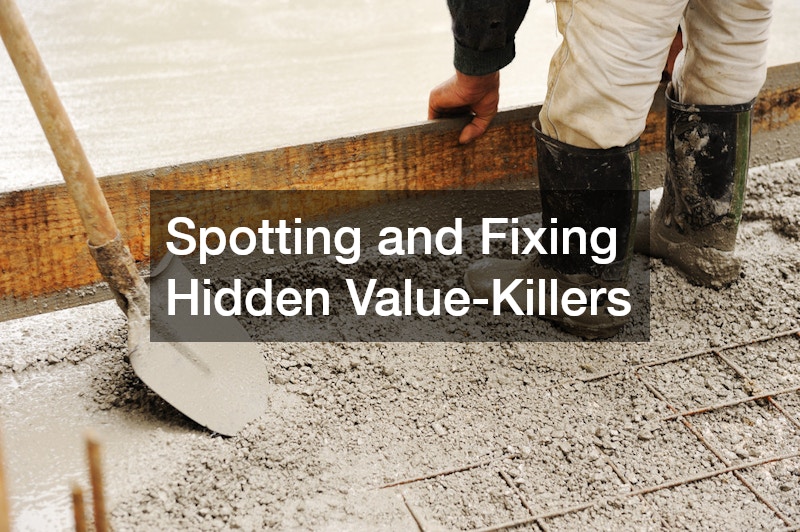
No amount of beautiful flooring or pristine landscaping can mask a compromised foundation. A home’s foundation is its literal anchor, and structural issues can completely halt a home sale. Buyers and inspectors can spot foundation trouble from a mile away, meaning proactive maintenance is the ultimate way to protect your property’s equity.
Homeowners must learn to read the warning signs of structural movement. Small hairline fractures in concrete can simply be the result of harmless settling, but wide horizontal cracks, stair-step cracks in brickwork, or doors that suddenly stick in their frames point to more severe issues.
Often, foundation pressure is caused by poor water management on the exterior. Ensuring that your yard slopes away from the home and keeping gutters clear can dramatically reduce hydrostatic pressure against your basement walls.
- Poor Drainage Issues: Rainwater pools directly at the base of the home, saturating the soil, increasing hydrostatic pressure, and creating severe cracks in the foundation walls.
- Proper Drainage Solutions: Ground grading, gutters, and downspouts successfully divert rainwater runoff completely away from the home, keeping the base dry and stable.
- Inspect After Heavy Rains: Walk around your property during a downpour to ensure water is draining rapidly away from the foundation walls.
- Maintain Consistent Moisture: In areas with highly expansive clay soils, use soaker hoses during droughts to prevent the soil from shrinking away from your foundation.
- Keep Detailed Records: If you do have structural work completed, keep all transferable warranties and engineering reports handy to reassure future buyers.
When major settling or bowing is detected, time is of the essence. When to call a licensed foundation contractor for a professional piering, mudjacking, or underpinning evaluation can mean the difference between a minor stabilization project and a catastrophic structural failure. Addressing these issues early removes a massive bargaining chip from future buyers and preserves the core value of your asset.
Turning Unfinished Storage into Premium Living Space
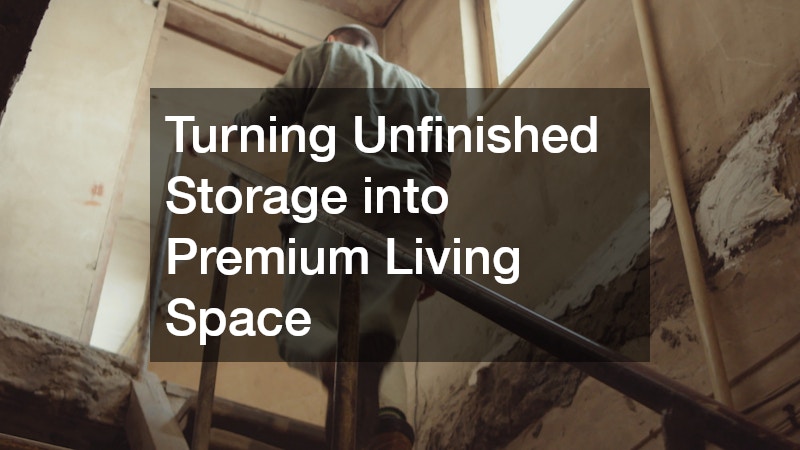
An unfinished basement is often viewed by buyers as wasted potential or, worse, a dark, damp liability. Transforming this subterranean zone into finished square footage—such as a home theater, guest suite, or home gym—is one of the fastest ways to skyrocket your property’s appraisal value. However, because basements sit below grade, standard flooring options like solid hardwood or thick carpeting are often poor choices due to moisture risks.
Before applying any finish to a basement concrete slab, you must conduct moisture mitigation. Simple plastic sheet tests or professional calcium chloride tests can reveal how much vapor transmission is passing through the slab.
If moisture levels are within acceptable limits, a seamless, continuous floor coating is an exceptional choice. It resists mold, mildew, and liquid spills while creating an impermeable barrier. To combat the naturally dim environment of a basement, choose light-colored, reflective finishes that multiply low ambient light, instantly creating an inviting, open atmosphere.
- Address Sub-Slab Moisture First: Never try to cover up a damp floor; always apply a vapor-barrier primer before laying down any coating or floating floor.
- Maximize Vertical Clearance: Keep drop ceilings thin and floors low to preserve every inch of precious head height in subterranean rooms.
- Zoning for Comfort: Install area rugs over your finished concrete surfaces to add warmth and acoustic dampening to the living spaces.
For a basement floor that lasts a lifetime, preparation is everything. Why commercial-grade epoxy flooring formulas provide the impact resistance needed for basement workshops or home gyms is clear: they bond chemically with the concrete, ensuring the surface will never peel, blister, or chip under pressure. The long-term value of investing in professional basement epoxy flooring over cheap DIY roll-on kits comes down to the mechanical diamond-grinding prep work that commercial teams provide.
Upgrading Walkways and Patios
Curb appeal is your property’s handshake. It sets the tone for the entire viewing experience. The pathways leading from the driveway or sidewalk to your front door should offer a safe, visually compelling, and intentional journey. A cracked, uneven, or weed-choked walkway sends an immediate signal of neglect, whereas a beautifully designed path builds anticipation.
A fantastic rule of thumb for path design is the “Golden Path” rule: walkways should be wide and sweeping, comfortably accommodating two people walking side-by-side (typically four to five feet wide). The materials chosen should harmonize with the home’s architecture. For instance, a historic brick home pairs beautifully with cobblestone or clay pavers, while a sleek mid-century modern home benefits from clean, poured concrete panels or smooth stone.
Framing these pathways with low-voltage LED landscape lighting adds a dramatic layer of evening curb appeal, making the home look estate-like after dark.
- Interlocking Pavers: Creates a classic, upscale aesthetic with medium maintenance needs, primarily around weed control and joint sand replenishment.
- Stamped Concrete: Offers a modern, highly customizable look with low maintenance, requiring only periodic resealing to protect the design.
- Crushed Stone or Gravel: Gives a rustic, casual vibe with high maintenance requirements, including regular raking and material replenishment.
- Prioritize Direct Routing: While gentle curves are elegant, avoid overly winding paths that force guests to cut across the lawn out of convenience.
- Incorporate Proper Sub-Bases: Ensure that walkways sit on a deeply compacted gravel and sand base to prevent individual stones or sections from shifting over time.
- Integrate Perimeter Greenery: Plant low-growing, non-invasive perennials along the path edges to soften the hardscape and add bursts of seasonal color.
Over time, shifting soils and heavy rains can cause walkways to sink or tilt, creating dangerous pooling and trip hazards. How a reputable paving company can help correct slope and pooling issues on your front walkways is an investment in both liability reduction and aesthetic refinement, ensuring that rainwater is steered safely away from your footpaths and home foundation.
The Gateway to Your Property’s Value
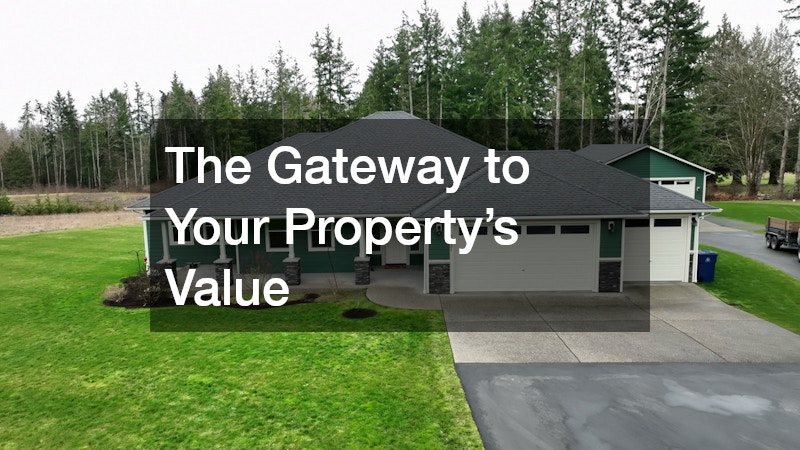
The driveway is often the single largest hardscape element on your property, frequently dominating the front view of the home. A long, pristine, jet-black or beautifully paved driveway acts as a frame for your home, amplifying its architectural highlights. Conversely, a driveway marred by deep potholes, oil stains, and jagged cracks severely diminishes the property’s overall presentation.
When restoring a driveway, homeowners must run a careful cost-benefit analysis. Minor hairline cracks can easily be filled and sealed, but severe structural failure, such as deep alligator cracking or widespread buckling caused by tree roots, demands a more robust approach.
Extending the lifespan of asphalt requires a proactive maintenance schedule. By keeping the surface sealed against water intrusion, you prevent the devastating freeze-thaw cycles that expand small cracks into destructive potholes during the winter months. The visual payoff of a freshly restored driveway is immense; the rich, dark contrast against green grass and painted siding instantly elevates the perceived listing price of the entire estate.
- Fill Cracks Immediately: Check your driveway every spring and fill any cracks wider than a quarter-inch with high-quality polymer-modified fillers.
- Manage Heavy Loads: Keep heavy delivery trucks off the edges of your asphalt, as the borders are the most vulnerable to crumbling under extreme weight.
- Ensure Sharp Edging: Clean, crisp edges between your driveway and your lawn prevent grass roots from encroaching and cracking the pavement boundaries.
When your driveway has surpassed its functional lifespan, localized repairs will no longer suffice. When to utilize professional asphalt paving services for severe alligator cracking or deep potholes becomes obvious once the sub-base becomes unstable. Following a fresh install or major repair, understanding why scheduling periodic sealcoating services acts as a protective shield against UV rays and chemical spills is the key to preserving your investment for decades to come.
Maximizing your property value does not require chasing fleeting interior design trends. Instead, it relies on mastering the fundamentals: maintaining a rock-solid foundation, installing durable and gorgeous interior flooring, and curating an exterior hardscape that welcomes visitors with open arms. When you combine interior floor aesthetics with structurally sound outdoor infrastructure, you create a compound effect that appraisers notice and buyers are willing to pay a premium for.