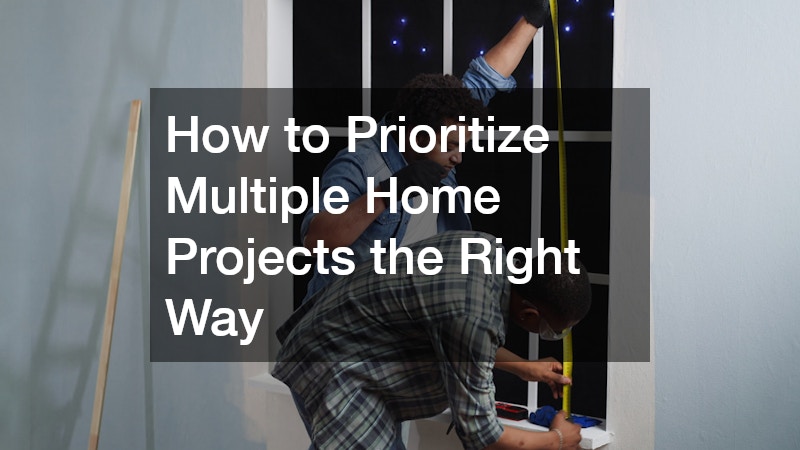
Embarking on home improvement projects can be an exciting yet daunting task. With the right plan and order, you can handle multiple projects effectively without unnecessary stress. This article will guide you through a strategic approach to prioritizing and executing various home projects to enhance your living space.
One of the first steps is evaluating the current condition of your home and identifying which areas require immediate attention. Structural issues, safety concerns, or aging systems should typically be addressed before cosmetic upgrades. This approach helps create a stable foundation for future improvements.
Establishing a realistic budget and timeline also plays an important role in project success. Breaking larger renovations into manageable phases allows homeowners to distribute costs and reduce disruptions to daily life. Careful planning helps maintain progress without overwhelming resources.
Working with experienced professionals can further streamline the process. Contractors, designers, and specialists offer valuable insights into materials, timelines, and potential challenges. Their guidance helps homeowners make informed decisions that lead to efficient, high-quality results.
How Do You Prioritize Roof Repairs in Your Home Project Plan?
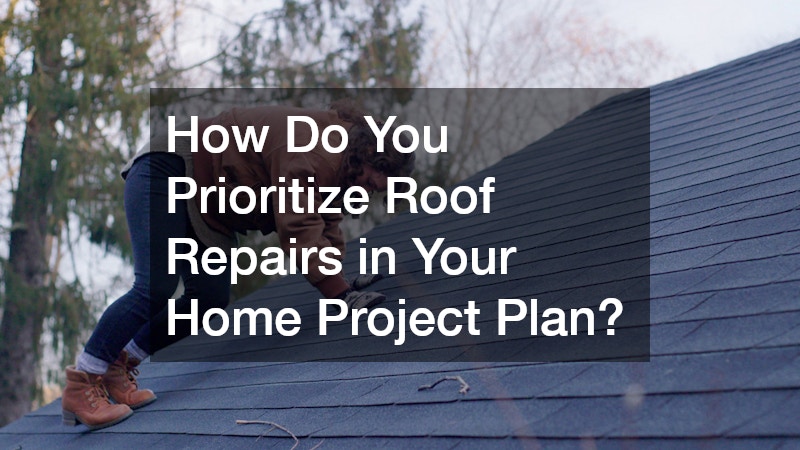
Start With a Thorough Roof Inspection
Begin by carefully checking your roof for signs of damage as part of your overall home evaluation. Look for missing, cracked, or curling shingles, water stains on ceilings, mold growth in the attic, or any sagging areas. Even small issues can point to deeper structural concerns, so it’s important not to treat roof problems as purely cosmetic. Addressing these early helps prevent more costly repairs later and keeps your project sequence on solid ground.
Get a Professional Assessment Early
Once you’ve identified possible issues, it’s important to confirm the extent of the damage with a proper inspection. At this stage, engage local roofers to evaluate whether you’re dealing with minor repairs or more serious structural concerns. This step helps eliminate guesswork and ensures you understand what truly needs to be addressed before moving forward with other home improvement plans.
Local roofers can also help identify hidden issues that aren’t immediately visible, such as underlayment damage, ventilation problems, or early signs of leaks that may not yet show inside the home. Their experience allows for a more accurate assessment of urgency, helping you decide what needs immediate attention versus what can be scheduled later.
Plan Your Roofing Budget Before Other Projects
Before moving forward with additional renovations, establish a clear budget for roof repairs. Collect multiple estimates so you understand the typical cost range and can compare options effectively. This helps you avoid unexpected expenses and ensures your roofing work doesn’t disrupt funding for other projects. Prioritizing this step keeps your overall home improvement plan balanced and realistic.
When is Basement Waterproofing Necessary?
Identifying Water Issues
Basements are prone to water issues due to their below-ground location. Signs like dampness, mildew, or water stains indicate that basement waterproofing may be necessary. Addressing these issues promptly can prevent structural damage and promote a healthier living environment.
Finding Trusted Contractors
Hiring trustworthy local contractors for basement waterproofing is essential for ensuring a comprehensive and effective solution. Look for contractors with extensive experience and expertise in handling such projects. By relying on local professionals, you benefit from their familiarity with your area’s specific climate challenges.
Cost of Waterproofing
The cost of basement waterproofing can vary significantly depending on the extent of the issues and the methods used. It’s important to budget for this investment, factoring in the long-term savings on repairs and potential property damage. With careful planning, you can ensure a dry and secure basement without financial strain.
What Are the Essential Steps in Chimney Repair?

Assessing Chimney Damage
Regular inspections are key to identifying chimney problems early, from cracked bricks to deteriorating mortar. Addressing these issues early with professional chimney repair services can prevent more extensive damage. Maintaining your chimney is essential for both safety and efficiency of your home heating systems.
Temporary Vs. Permanent Solutions
When evaluating chimney repair options, it’s important to differentiate between temporary fixes and permanent solutions. While temporary repairs might address immediate symptoms, investing in permanent repairs ensures long-term safety and functionality. Consulting with expert chimney repair professionals can help you make the best choice for your home.
Choosing Skilled Professionals
Selecting experienced chimney repair specialists is crucial for the effective restoration of your chimney. Professionals with years of hands-on experience provide quality service and detailed attention to critical components like the flue and cap. Engaging skilled local experts guarantees peace of mind and long-lasting chimney performance.
How Gutters Fit Into Your Home Project Priorities
Fix Water Drainage Issues Early
Water management should be addressed early in any home improvement plan because it protects everything else you do later. If rainwater isn’t being directed properly away from your home, it can lead to foundation damage, soil erosion, and moisture problems in walls or basements. These issues often worsen over time, so they naturally fall into the early stages of your project list rather than later cosmetic work.
Identify Signs of Poor Gutter Performance
During your initial home assessment, look for warning signs that your drainage system may not be working properly. Overflowing gutters during rain, pooling water near the foundation, sagging sections, or visible debris buildup all indicate that attention is needed. Catching these problems early helps you avoid structural issues that could disrupt other planned renovations.
Complete Gutter Work Before Exterior Improvements
Any updates to siding, paint, or landscaping should come after the drainage system is working correctly. This prevents newly finished surfaces or outdoor upgrades from being damaged by uncontrolled water flow. In many cases, this is where a gutter installer is brought in to ensure the system is correctly positioned and functioning before other exterior projects move forward.
Keep Drainage Maintenance in the Background Plan
Once the system is in place, ongoing upkeep should be treated as part of general home maintenance rather than a standalone project. Regular cleaning and inspections help ensure water continues to flow properly, supporting the long-term success of other improvements without requiring major repairs later on.
Why Siding Work Matters
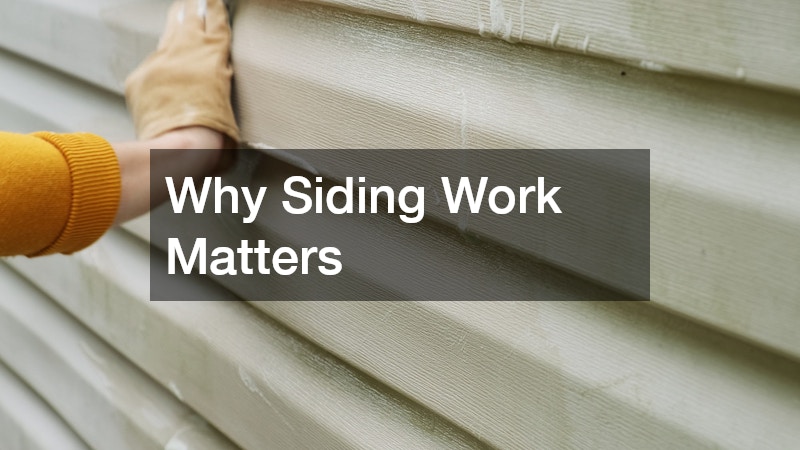
Choose Materials Based on Long-Term Needs
When planning exterior upgrades, siding decisions should be made early because they influence both appearance and protection. Options like vinyl, wood, and fiber cement each perform differently depending on maintenance needs, durability, and design goals. Making this decision early in your project order helps ensure other exterior improvements align with the final look and function of your home.
Factor in Protection and Energy Performance
Siding is not just a visual upgrade—it also plays a key role in protecting your home from weather and improving energy efficiency. Climate conditions should guide your material choice, since some options perform better in heat, heavy rain, or humidity. Addressing this early in your planning helps prevent issues like moisture damage or inefficient insulation that could affect other completed work later.
Prioritize Exterior Work Before Cosmetic Finishes
Siding should typically be completed before other surface-level upgrades like painting trim, updating exterior fixtures, or improving landscaping. This sequencing prevents newly finished elements from being disrupted or damaged during installation. At this stage, a reputable siding contractor helps ensure proper installation and alignment with your home’s structural and design needs.
Understand the Value Impact Before Moving Forward
Because siding has a direct effect on curb appeal and resale value, it’s important to evaluate its return on investment early in your project planning. High-quality installation can significantly improve how your home looks and performs, making it a foundational exterior upgrade that supports the success of later improvements.
Where Home Heating and Cooling Work Belong in Your Plan
Plan System Maintenance Before Issues Escalate
Mechanical systems like heating and cooling should be reviewed early in your home improvement plan because they directly affect comfort and livability. Regular servicing helps identify small issues before they turn into major repairs, which can disrupt other ongoing projects. Keeping these systems in good condition ensures your home remains functional while you focus on other upgrades.
Build a Basic Understanding Before Upgrading
Before making major decisions, it helps to understand how your home’s heating and cooling systems function and what condition they’re in. This makes it easier to decide whether you need repairs, upgrades, or efficiency improvements. In many cases, professional HVAC services can also help assess system performance and recommend adjustments that improve comfort and reduce long-term energy costs.
Address Cooling System Work Before Interior Finishes
If air conditioning systems need upgrades or replacement, they should be completed before interior finishing work such as ceiling repairs or repainting. This prevents damage to newly finished surfaces and avoids repeated disruptions. At this stage, choosing the right air conditioner contractor is important to ensure the system is properly installed and optimized for your home’s layout and efficiency needs.
Prioritize Efficiency Improvements Early
Energy efficiency upgrades to heating and cooling systems should be considered early in your planning because they affect long-term operating costs. Making improvements at this stage helps reduce utility expenses while ensuring your home remains comfortable throughout other renovation phases.
How Fencing Fits Into Your Home Project Value and Planning Order

Choose the Right Materials Early in Planning
Fencing decisions should be made early in your project sequence because they affect both curb appeal and property function. Materials like wood, vinyl, or metal each offer different levels of durability, maintenance, and visual impact. Selecting the right option upfront helps ensure your fence aligns with other exterior upgrades and supports the overall design direction of your home.
Define Property Boundaries Before Final Exterior Work
Fencing should be considered before finishing exterior landscaping or other outdoor enhancements, since it establishes the visual and functional limits of your property. A reputable fence company can help evaluate layout options such as privacy, security, or decorative fencing, ensuring the structure complements both your home’s layout and long-term goals.
Prioritize Proper Setup and Planning
Before installation begins, proper preparation is essential. This includes measuring the space accurately, clearing the area, and checking local zoning or property regulations. These early steps ensure the project runs smoothly and avoids costly adjustments later. Good planning also helps integrate fencing into your overall exterior improvement timeline without delays.
Complete Fencing Installation Before Final Landscaping
The actual build phase should be completed before detailed landscaping or finishing outdoor features. This sequencing avoids damage to newly planted areas or decorative elements. During this stage, fencing installation is carried out based on the chosen design to ensure both function and visual consistency with the rest of the property.
Maintain Fencing as Part of Long-Term Upkeep
Once installed, fences should be included in regular home maintenance routines. This includes cleaning, checking for wear, and repairing any damage promptly. Ongoing care helps preserve both appearance and durability, ensuring your fencing continues to contribute to property value over time.
In Closing
Tackling home projects in the right order with experienced professionals can significantly enhance your home’s comfort, value, and safety. With careful planning, each project can seamlessly lead into the next, ensuring a cohesive renovation process. Prioritizing projects based on need and impact allows you to make informed decisions that reflect positively on your home’s future.
Beginning with foundational improvements often produces the most lasting benefits. Addressing roofing, plumbing, electrical systems, and structural concerns first establishes a strong base for later upgrades. When these essential systems function properly, subsequent renovations can proceed more smoothly and efficiently.
Once the core systems are in good condition, homeowners can shift their focus toward improvements that enhance everyday living. Kitchen updates, bathroom renovations, and upgraded flooring contribute significantly to both comfort and aesthetic appeal. These projects often deliver noticeable transformations while increasing overall property value.
Exterior improvements should also be considered as part of a comprehensive renovation plan. Landscaping, siding upgrades, and driveway or walkway repairs strengthen curb appeal and protect the home from environmental wear. A well-maintained exterior creates a welcoming first impression while preserving structural integrity.
Maintaining flexibility throughout the renovation process is equally important. Unexpected discoveries can arise during construction, and adjusting plans accordingly helps keep projects on track. Open communication with contractors allows homeowners to make timely decisions that support project goals.
Ultimately, a thoughtful approach to home improvement allows each project to contribute to a larger vision for the property. By coordinating upgrades strategically and investing in quality workmanship, homeowners can create spaces that remain functional, attractive, and valuable for many years to come.
In the long run, consistent maintenance and thoughtful upgrades help preserve the results of your renovation efforts. Scheduling routine inspections and addressing small repairs promptly prevents minor issues from escalating into larger problems. This proactive approach allows homeowners to protect their investment while continuing to enjoy a comfortable and well-maintained living environment.