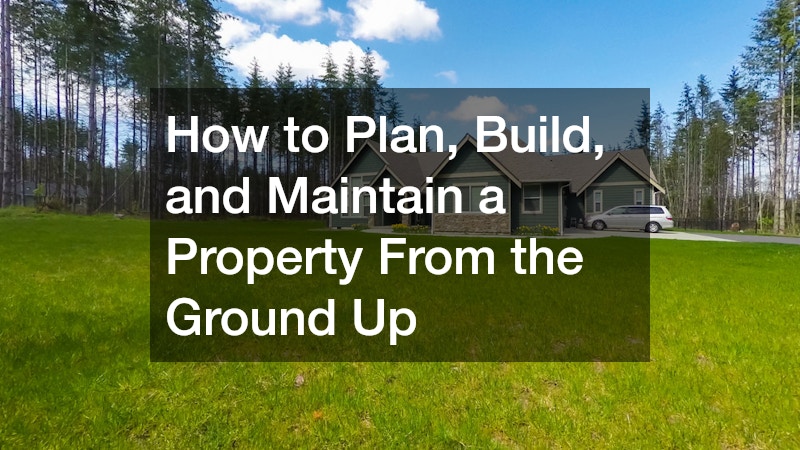
Owning property is about much more than purchasing a parcel and deciding what to build. Every successful project begins with a clear understanding of the land, the work required to prepare it, the professionals who may need to be involved, and the long-term responsibilities that come with maintaining the finished property. Planning each stage carefully can help reduce delays, control costs, and prevent avoidable problems once construction is underway.
For many owners, the process starts with evaluating land for sale and determining whether a particular parcel matches their goals. From there, the project may involve surveying, clearing, excavation, construction, exterior finishing, landscaping, waste removal, and ongoing property care. Understanding how these services connect makes it easier to build a realistic schedule and avoid treating each step as an isolated task. A thoughtful approach also gives property owners more control over decisions that can affect drainage, access, curb appeal, durability, and future maintenance.
Evaluate the Land Before Making Major Decisions
The condition and location of a property influence nearly every decision that follows. Before committing to land for sale, buyers should look beyond price and acreage and consider zoning, access, utilities, drainage, soil conditions, topography, and any restrictions that could affect development. A parcel that appears affordable at first may require substantial site work if it has steep grades, limited road access, poor drainage, or significant vegetation.
It is also important to think about how the property will be used over time. A future home, driveway, garage, garden, septic system, or outbuilding may each require adequate space and appropriate placement. Considering these needs early can help buyers avoid choosing a property that becomes difficult or expensive to develop.
Property owners should also review available maps, surveys, and municipal requirements before finalizing plans. If a parcel has wetlands, easements, setback rules, or protected areas, those factors may shape where construction can occur. Taking the time to understand these limitations can make the next phases of the project more predictable.
Access to utilities deserves special attention as well. Extending electric service, drilling a well, installing a septic system, or connecting to municipal water and sewer can add significantly to development costs. Buyers who investigate these details before closing are better positioned to compare properties based on total project feasibility rather than purchase price alone.
Develop a Clear Site Plan
Once the land has been selected, the next step is creating a practical plan for how the property will be used. Land planning consultants can help evaluate a site’s physical characteristics and organize features such as the home, driveway, drainage areas, utilities, outdoor spaces, and accessory structures. Their input can be especially useful when the property has unusual terrain, multiple potential building areas, or complex access needs.
A strong site plan should account for both immediate construction goals and future use. For example, leaving enough room for a detached garage, expanded patio, pool, garden, or additional parking can prevent costly changes later. Planning should also address stormwater flow so that new structures do not create drainage problems near foundations or neighboring properties.
This stage is also a good time to think about views, privacy, and natural features. Trees, slopes, rock formations, and existing vegetation can influence where a home feels most comfortable on the site. Rather than clearing everything automatically, property owners can decide which features should be preserved and which need to be modified to support construction and everyday use.
The plan should also account for how people and vehicles will move through the property. Driveway grades, parking areas, delivery access, walkways, and emergency access can all influence the final layout. Thinking through circulation before excavation begins can prevent awkward spaces that are difficult to use once the home is complete.
Prepare the Property for Construction
Site preparation is one of the most important phases of building because it creates the conditions needed for safe, efficient construction. Depending on the property, this may involve removing brush, taking down selected trees, grading, digging foundations, installing drainage, or creating access for equipment.
Excavation contractors often handle the heavy earthwork needed to prepare a site. Their work can include grading building pads, trenching for utilities, preparing driveways, and moving soil to create proper elevations. Accurate excavation is essential because poor grading can contribute to water pooling, erosion, or foundation problems later.
Some properties may also benefit from a view clearing service, particularly when overgrown trees or brush block desirable sightlines. Selective clearing can improve visibility while preserving enough vegetation for shade, privacy, and erosion control. The goal should be to remove what interferes with the property plan without unnecessarily stripping the site of natural features.
Property owners should coordinate clearing and excavation carefully so crews are not performing overlapping work or damaging areas that were meant to remain untouched. Marking property lines, future structures, utility routes, and protected vegetation before equipment arrives can reduce confusion.
Weather and soil conditions can also affect site preparation. Heavy rain can make grading difficult, while dry periods may create dust or hard ground. Building flexibility into the schedule allows contractors to perform earthwork when conditions are more suitable instead of rushing a phase that influences nearly everything built afterward.
Coordinate the Building Process Carefully
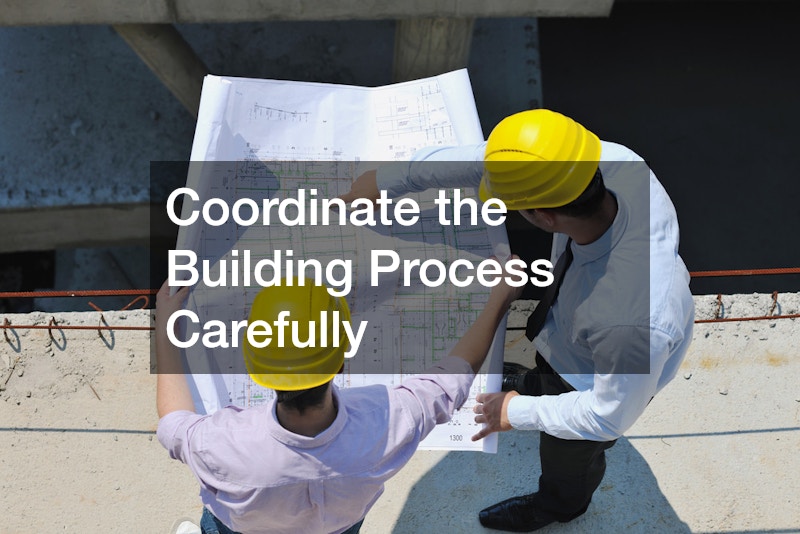
After the site is prepared, construction becomes the central focus. Choosing home builders who understand the site’s conditions, local requirements, and project scope can help keep work moving in the right sequence. Builders typically coordinate multiple trades, inspections, deliveries, and construction milestones, so communication is essential throughout the project.
Before work begins, owners should review plans, specifications, materials, allowances, and timelines in detail. It is also helpful to understand which responsibilities belong to the builder and which may remain with the property owner. Questions about utility connections, driveway completion, final grading, landscaping, exterior finishes, and cleanup should be addressed before they become last-minute issues.
Regular updates can help prevent small misunderstandings from turning into expensive changes. If construction reveals unexpected soil conditions, drainage concerns, or access problems, owners may need to revisit parts of the site plan. Keeping records of changes, approvals, invoices, and warranties can also make future maintenance easier.
Owners should pay close attention to change orders as the project develops. Small design revisions can affect labor, materials, scheduling, and other trades, so understanding the full impact of a change before approving it is important. A documented decision-making process can help keep the budget and timeline from drifting unnecessarily.
A well-managed build depends on coordination, realistic expectations, and a willingness to resolve issues before they affect later stages of the project.
Manage Debris and Keep the Site Organized
Construction and property improvement projects generate more waste than many owners expect. Packaging, scrap lumber, broken materials, drywall, roofing debris, old fixtures, and cleared vegetation can quickly accumulate if there is no disposal plan in place.
Arranging a local roll off dumpster can make it easier to keep the work area organized and reduce the amount of loose debris around the site. Dumpster size, placement, rental period, and accepted materials should be considered in advance so the container supports the project without blocking equipment or deliveries.
Keeping the property clean is not only about appearance. Debris can create tripping hazards, obstruct access, damage equipment, and make it harder for different trades to work efficiently. A cleaner site can also make it easier to identify materials that should be reused, recycled, stored, or discarded.
For larger projects, waste management may need to be adjusted as construction progresses. Different phases can produce different types of debris, so property owners and contractors should communicate about disposal needs instead of waiting until materials begin to pile up.
It can also be useful to establish designated areas for reusable materials, deliveries, tools, and waste. A well-organized site reduces unnecessary movement and helps prevent valuable materials from being damaged or accidentally thrown away. Good housekeeping throughout construction can make the final cleanup much easier.
Complete the Exterior With Long-Term Durability in Mind
Once the structure is enclosed and major construction is nearing completion, attention turns to the exterior. This stage affects both the appearance of the home and its protection from weather, moisture, and everyday wear.
Siding contractors can help install or replace exterior cladding designed to protect the building envelope. The right siding choice depends on climate, maintenance expectations, design preferences, and budget. Proper installation is just as important as material selection because gaps, poor flashing, and other installation errors can allow moisture to reach areas that should remain protected.
House painters also play an important role in finishing and preserving exterior surfaces. Paint and coatings can improve appearance while providing an additional layer of protection for wood, trim, doors, and other exposed materials. Surface preparation matters because paint applied over dirt, moisture, loose material, or deteriorated finishes may not perform as expected.
Property owners should think of exterior work as part of a larger maintenance strategy. Choosing durable materials and documenting product information can make future repairs, repainting, and replacement decisions easier.
Exterior details should also be checked together rather than individually. Gutters, flashing, trim, siding, caulked joints, doors, windows, and painted surfaces all work together to keep water outside the building. Addressing weak points before landscaping is finished can prevent the need to disturb completed outdoor areas later.
Shape the Outdoor Areas Around Everyday Use
The space surrounding a home should support how the property will actually be used. Once heavy construction and final grading are complete, local landscaping companies can help turn bare or disturbed ground into functional outdoor areas. This may include lawns, planting beds, walkways, drainage features, retaining elements, privacy plantings, or low-maintenance spaces.
Landscaping decisions should account for sun exposure, water availability, soil type, slope, and the amount of maintenance the owner is willing to perform. Plants that are attractive but poorly suited to the site can require excessive watering, pruning, or replacement. A practical landscape balances appearance with long-term care.
Drainage should remain a priority during this phase. Soil, mulch, hardscaping, and plant beds should not redirect water toward the foundation or interfere with drainage systems created earlier in the project. Owners should also consider how trees and larger shrubs may grow over time so roots and branches do not create future conflicts with roofs, walkways, utilities, or structures.
Outdoor areas should also reflect daily routines. Families may want open lawn space, shaded seating, paths between frequently used areas, or room for pets and recreation. Designing around actual habits creates a property that feels functional instead of merely finished.
Build a Long-Term Property Maintenance Plan
Finishing construction does not mean the planning process is over. A property can stay in better condition when owners develop a routine for inspecting, cleaning, repairing, and servicing important areas before small issues become larger ones.
Maintenance should include the exterior envelope, roof drainage, siding, painted surfaces, landscaping, drainage systems, driveways, and any areas where water tends to collect. Seasonal inspections can help identify peeling paint, damaged siding, clogged gutters, erosion, cracked surfaces, or vegetation growing too close to the home.
Pest control services may also become part of an ongoing maintenance plan, particularly when insects, rodents, or other pests find food, moisture, or shelter near the structure. Keeping vegetation trimmed, reducing standing water, sealing openings, and addressing moisture problems can support broader pest-prevention efforts.
Property owners should keep records of major installations, repairs, warranties, contractor information, and recommended service intervals. These records can be useful when planning future improvements or explaining the property’s maintenance history.
Budgeting for maintenance is another practical step. Setting aside funds for routine service and eventual replacements can make repairs less disruptive when they arise. Roofs, paint, siding, driveways, drainage features, and landscaping all have different maintenance cycles, so owners benefit from anticipating those costs rather than treating every repair as an unexpected expense.
The most manageable properties are usually the ones that were planned with long-term ownership in mind. When land selection, construction, landscaping, and maintenance are treated as one connected process, owners can make more informed decisions and better protect their investment. This approach can make future repairs, upgrades, and ownership decisions easier to manage over time.