
The kitchen and the primary bathroom are the emotional and financial anchors of a high-end home. When you decide to remodel these spaces completely from scratch, you are doing much more than just swapping out old appliances or changing a paint color. You are completely rewriting how your home functions, feels, and holds its value over time. Because these spaces require complex plumbing, electrical wiring, and heavy structural support, an overhaul of this scale is a high-stakes investment. It demands rigorous planning and an understanding of construction logistics before the first wall is ever torn down.
Investing in top-tier spaces requires a shift in how you view your property. You are no longer just maintaining a structure; you are curating an experience. Every morning routine in your new bathroom and every evening meal prepared in your upgraded kitchen should feel effortless. To achieve this level of everyday luxury, you must understand that what goes behind the walls is just as critical as the beautiful finishes that sit on top of them. True luxury is found in the quiet operation of a high-efficiency exhaust fan, the perfect temperature of radiant floors, and the seamless alignment of custom woodwork.
Designing the Working Triangle and Wet Wall Logistics
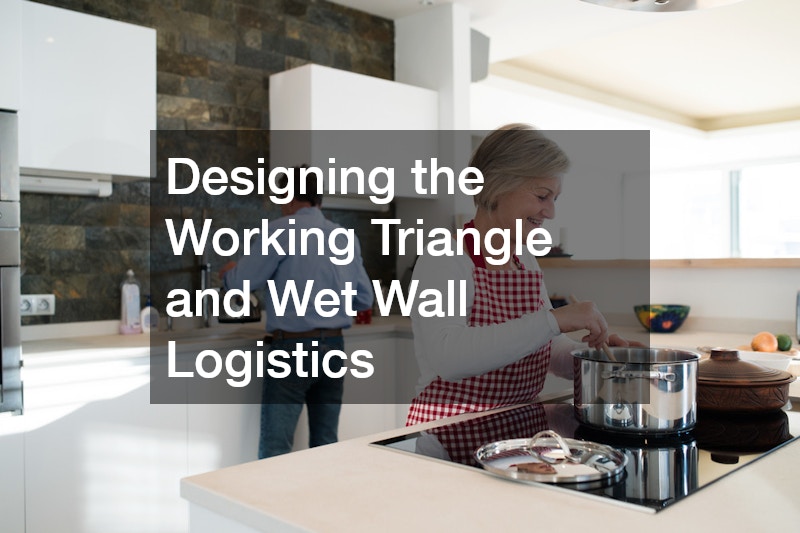
Before you pick out luxury finishes or look at paint swatches, you must focus on structural feasibility and layout efficiency. In a luxury kitchen, the layout should always center around the classic working triangle, which is the path between your refrigerator, your stove, and your main sink. For premium spaces, this concept often expands into specialized work zones, such as a dedicated baking station, a beverage center, or a separate prep scullery. In the bathroom, the focus shifts to wet wall logistics, which refers to the heavy framing sections that contain your main water supply and drain lines. Keeping your plumbing concentrated on central walls saves money, while moving them requires trenching through concrete or cutting into floor joists.
Luxury layouts often demand shifting physical boundaries to create open-concept living zones or to build expansive walk-in wet rooms. If your renovation involves expanding the footprint of your home outward or altering load-bearing structures, you have to verify your property limits and structural integrity.
- Consult with local home builders early in the design phase to calculate load-bearing requirements and ensure your ceiling can support hidden HVAC ductwork or heavy light fixtures.
- Review your original new residential construction survey to confirm property setbacks and utility lines before planning any structural bump-outs or exterior window modifications.
- Map out your appliance dimensions early, as commercial-grade ranges and built-in refrigeration columns require deeper framing depths than standard household units.
- Plan for dedicated ventilation pathways, ensuring that high-CFM kitchen hoods and high-velocity bathroom fans can vent directly to the outdoors through the shortest path possible.
Altering the physical layout of a home also changes how natural light interacts with your living spaces. When tearing down walls to merge a traditional dining room into a luxury culinary center, you must track how daylight moves through the windows. Well-placed skylights or transom windows can transform a dim, uninviting kitchen into a bright, vibrant workspace. Similarly, adding frosted privacy windows in a luxury bath allows you to enjoy morning sunlight without sacrificing your personal privacy. Balancing these architectural elements requires a deep understanding of residential engineering, making early consultations with structural experts an absolute necessity for a smooth project.
Vetting Professionals for High-End Demolition and Assembly
A true luxury renovation is too complex for a standard do-it-yourself approach or a casual handyman. High-end materials like oversized porcelain slabs, custom walnut cabinetry, and complex digital shower systems require specialized knowledge to install correctly. As you prepare to hire your team, you will generally choose between a design-build firm, which handles both the architectural drawings and construction under one roof, or hiring an independent architect followed by a construction manager. Whichever path you choose, you need a team with an immaculate portfolio of completed high-end projects and verifiable references who can speak to their cleanliness, communication, and precision.
Vetting your project leaders properly saves you from construction delays, code violations, and compromised aesthetics. You want a primary manager who will be on-site regularly to coordinate the tight schedule of specialized luxury trades.
- Look for professionals who carry comprehensive liability insurance and specialized certifications, such as those from the National Kitchen and Bath Association.
- Ask to see photos of their past mechanical rough-ins, not just the finished, pretty pictures, to verify that their hidden structural work is clean and precise.
- Ensure that your chosen remodeling contractor has direct experience installing the specific high-end features you want, such as curbless showers or integrated smart-home automation.
- Take the time to interview local general contractors to find a leader who maintains strong relationships with elite local subcontractors, which ensures priority scheduling for your job.
- Establish a clear communication protocol from day one, requiring weekly written updates and digital photo logs of the progress inside your walls.
Remember that a successful partnership with your build team relies on a well-drafted, detailed contract. A luxury contract should never simply say “remodel kitchen.” Instead, it needs to break down every single phase of labor, disposal fees, permitting costs, and specific material descriptions. This transparency protects both you and the professionals working on your home. It establishes clear milestones for payments and sets a realistic timeline for completion. By investing time into vetting your assembly team upfront, you eliminate misunderstandings and set a professional tone that carries through to the very last day of the project.
Uncovering Structural Deficiencies and Moisture Protection

When the drywall comes down during a total gut demolition, you are almost guaranteed to find a few surprises hidden inside your walls. This is especially true in older homes where minor, unnoticed plumbing leaks may have caused trouble over several decades. Common issues uncovered during teardowns include historical subfloor rot, improper past electrical wiring, uninsulated pipes, and mold blooming behind old shower pans. Instead of viewing these discoveries as a disaster, look at them as an opportunity to fix the hidden bones of your home correctly so your luxury finishes rest on a perfect, stable foundation.
Moisture protection is the single most important factor in the longevity of a kitchen and bath remodel. In a luxury bathroom, standard drywall and traditional greenboard are not enough; you must implement commercial-grade waterproofing systems.
- Inspect the exposed subfloor for any signs of sagging, deflection, or water staining, and replace any compromised plywood before laying down new underlayment.
- If old pipe leaks or hidden roof run-off have severely compromised your framing or caused structural mold, stop work and call professional restoration services immediately to remediate the area safely.
- Ensure all electrical circuits are upgraded to handle modern power demands, including dedicated lines for steam generators, warming drawers, and pro-style espresso machines.
- Remember that top-tier home remodeling companies know that building luxury on top of a compromised foundation is a recipe for long-term disaster, so never cut corners on structural repairs.
- Apply continuous waterproof membranes to all shower walls and ceiling surfaces to completely seal the framing from vapor transmission and potential wood rot.
Beyond waterproofing, upgrading your structural insulation and soundproofing should be a priority while the walls are completely open. Bathrooms and kitchens are naturally noisy spaces due to rushing water, running dishwashers, and clanging cookware. Installing stone wool insulation inside the interior wall cavities acts as an incredible sound barrier, preventing unwanted noise from traveling into nearby bedrooms or home offices. Additionally, wrapping your main drain pipes in specialized sound-dampening foam ensures that the sound of a flushing toilet or a draining tub remains completely silent throughout the rest of your home.
Specifying Custom Millwork and Statement Finishes
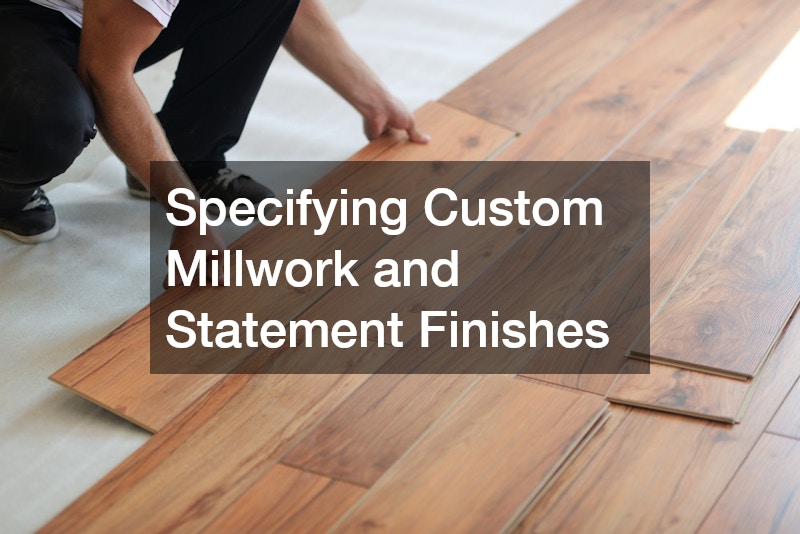
Once your walls are straight, true, and fully waterproofed, the focus turns to the visible elements that define luxury. In the kitchen, custom millwork is the foundation of your design. Stock or semi-custom cabinetry often falls short because it leaves awkward gaps or relies on filler strips to fit your space. Custom cabinets are built to the exact millimeter of your room, allowing for flush inset doors, integrated appliance panels that hide your refrigerator, and specialized heavy-duty pull-outs. For statement finishes, look toward natural stone slabs like Calacatta marble, quartzite, or soapstone, utilizing book-matched layouts where the veins of the stone align perfectly across seams and waterfall island edges.
Sourcing these premium materials requires careful coordination with specialized showrooms to ensure that fabrication timelines match your construction schedule perfectly.
- Work directly with an elite kitchen cabinet supplier to map out custom drawer configurations, spice pull-outs, knife blocks, and hidden charging stations.
- Select heavy, solid-brass hardware that provides a tactile sense of luxury every single time you open a cabinet door or drawer.
- Visit a boutique tile shop to source book-matched marble slabs or handmade zellige tiles that offer unique texture and color variations for a striking backsplash.
- Incorporate layered lighting designs, combining ambient ceiling downlights with task lighting under cabinets and accent lighting along toe-kicks and open shelving.
- Order your plumbing fixtures and matching trim sets months in advance to prevent plumbing rough-in delays, as luxury finishes often carry long manufacturing lead times.
When selecting your stone slabs at the yard, always request to see the exact sequence of sheets cut from the same mountain block. This allows your fabrication team to plan continuous vein patterning that travels seamlessly from your counter surfaces right up onto a full-slab vertical backsplash. In the bathroom, this same attention to detail applies to your tile configurations. Symmetrical layouts that avoid tiny sliver cuts at the corners are the hallmark of high-end design. Sourcing your materials from premium suppliers ensures that your project benefits from better quality control, richer material glazes, and superior longevity.
Selecting Impermeable Surfaces and Underfloor Heating
The final phase of your structural layout execution involves the surfaces you walk on every single day. For a luxury bathroom, a curbless walk-in shower creates a seamless, spa-like aesthetic that expands the visual boundaries of the room. Achieving this look requires dropping the floor joists or sloping the subfloor toward a linear drain so the tile sits perfectly flush with the rest of the bathroom floor. To prevent cold feet on natural stone or porcelain, integrate electric radiant in-floor heating mats beneath the tile, managed by a smart thermostat that adjusts to your daily routine.
Transitioning between the wet zones of the bathroom and the dry zones of the adjacent master bedroom requires master-level craftsmanship to ensure smooth, beautiful thresholds.
- A flawless hardwood floor installation in the adjacent master bedroom creates an elegant transition into the bath, provided the subfloor is perfectly flat.
- Ensure that all natural stone surfaces are treated with premium, penetrating sealers to protect against oils, makeup, and water spotting over time.
- Hire specialized flooring contractors who know how to perfectly level the thresholds between different material thicknesses, avoiding clunky transition strips.
- Verify the dynamic coefficient of friction rating on your bathroom floor tile to ensure it provides adequate slip resistance when wet without sacrificing its polished look.
- Always contract with certified flooring contractors to verify that your subfloor is completely rigid, as any flexing in the wood will cause expensive stone or porcelain tile grout lines to crack over time.
Proper floor leveling also extends into your kitchen space, especially if you are blending diverse materials like wide-plank European oak with heavy concrete or natural stone accent borders. The substrate preparation must be mathematically perfect to prevent any tripping hazards or premature wear on the edges of your flooring material. High-end floor preparation often involves applying self-leveling underlayments over specialized anti-fracture membranes.
Achieving Your Long-Term Vision

Remodeling a premium kitchen and bathroom from the ground up is a journey that demands patience, meticulous material sourcing, and elite labor. These are the most complicated rooms in any home, acting as miniature factories that handle water, fire, waste, and constant foot traffic. By prioritizing structural integrity, advanced waterproofing, and specialized craftsmanship over cheap shortcuts, you ensure that your investment looks spectacular and operates flawlessly for decades.
The long-term value of a luxury ground-up renovation also shines through when it comes time to pass your property on to the next owner. Discerning buyers instantly recognize the difference between a superficial cosmetic flip and a deeply considered, professionally executed structural remodel. The quality of custom millwork, the solidity of premium subfloors, and the masterly execution of waterproof wet rooms speak volumes about how the entire home was cared for over time. The result of your hard work and careful planning will be a pair of spaces that do not just meet your daily needs but also elevate your entire lifestyle. Your home will become a sanctuary where functional efficiency and breathtaking design live together perfectly, proving that a practical property owner always builds on a foundation of quality.