Upgrading an outdoor property is rarely about changing just one feature. The most successful projects consider how landscaping, hardscaping, drainage, privacy, recreation, and gathering areas work together to create a space that is attractive, practical, and easier to maintain. A thoughtful plan can also help homeowners avoid making improvements in the wrong order, which can lead to unnecessary demolition or duplicated expenses later.
Before work begins, it helps to look at the entire property as one connected environment. Existing trees may affect where a patio can go, grading can influence drainage, and access routes may determine where equipment can safely enter the yard. Homeowners should also think about how they want to use the space throughout the year. A family that entertains frequently may prioritize seating and cooking areas, while another household may want low-maintenance turf, privacy fencing, or improved walkways.
Professional planning can make these decisions easier. Different specialists may handle separate parts of the project, but their work should support the same overall vision. By considering the property as a whole, homeowners can create outdoor areas that feel intentional rather than pieced together over time.
Start With a Clear Landscape Plan
A strong outdoor renovation begins with a clear understanding of the property’s layout, existing conditions, and long-term goals. Working with a landscape design company can help homeowners determine how different improvements should be arranged before construction begins. Designers may consider sunlight, drainage, traffic flow, planting zones, existing structures, and the relationship between indoor and outdoor spaces.
The planning stage is also the best time to establish priorities. Some homeowners want more privacy, while others are focused on curb appeal, entertaining, gardening, or creating room for children and pets. Identifying those goals early helps prevent spending money on features that do not support how the property will actually be used.
A comprehensive design can also make phased improvements easier. Homeowners may not want to complete every upgrade at once, but a long-term plan allows each project to prepare for the next. For example, future patio areas can be considered before irrigation lines or trees are installed. This approach reduces the likelihood that finished work will need to be removed or altered later.
Local landscaping contractors can then help translate the overall design into practical improvements. Their familiarity with regional soil conditions, climate patterns, and common plant materials can be useful when selecting landscaping features that are suited to the property. Coordinating the design and installation stages can create a more cohesive result while keeping future maintenance requirements in mind.
Prepare the Property Before Building
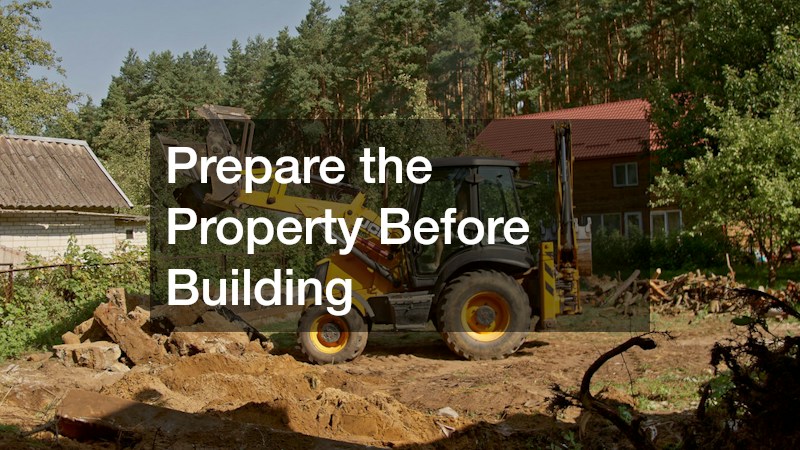
Major outdoor upgrades often require more preparation than homeowners initially expect. Old patios may need to be removed, uneven ground may need to be regraded, or sections of the yard may need to be cleared before new features can be installed. An excavation company can handle many of these early tasks, especially when a project involves significant soil movement, drainage work, foundations, retaining structures, or access preparation.
Site preparation affects nearly every improvement that follows. If grading is incorrect, water may collect near patios, lawns, or the home’s foundation. If soil is not properly compacted, paved surfaces may shift or settle. Addressing these issues before decorative elements are added can help create a stronger foundation for the finished landscape.
Large projects also generate significant waste. Removed fencing, concrete, soil, branches, old landscaping materials, and construction debris can quickly overwhelm ordinary household disposal options. Working with a local dumpster rental company gives contractors and homeowners a designated place to manage debris throughout the project. This can keep work areas more organized and reduce repeated trips to disposal facilities.
Preparation may not be the most visually exciting part of a renovation, but it can influence the performance of everything installed afterward. Taking the time to clear, grade, drain, and organize the site properly can prevent avoidable complications as the project moves forward.
Build Functional Hardscape Areas
Hardscaping creates the structural framework for many outdoor living spaces. Patios, retaining walls, pathways, steps, edging, and seating areas can define how people move through a property and where activities take place. Local hardscaping services can help homeowners choose materials and layouts that complement the house while meeting practical needs such as drainage, elevation changes, and everyday traffic.
Material selection should reflect both appearance and function. Concrete, pavers, natural stone, gravel, and brick each have different maintenance requirements, installation methods, and visual characteristics. The right choice may depend on the property’s architectural style, the intended use of the area, and the homeowner’s budget.
Hardscaping can also solve landscape problems. Retaining walls can help manage sloped yards, walkways can create safer access between different areas, and properly placed patios can provide stable surfaces for furniture and outdoor kitchens. These features are most effective when they are integrated into the broader landscape rather than treated as separate additions.
Homeowners should also consider how hardscape areas connect to doors, driveways, gardens, and lawns. A patio that looks attractive but interrupts natural walking paths may become inconvenient over time. Planning circulation early allows hardscape features to feel like natural extensions of the home and yard while making the property more usable.
Improve Driveways and Outdoor Access
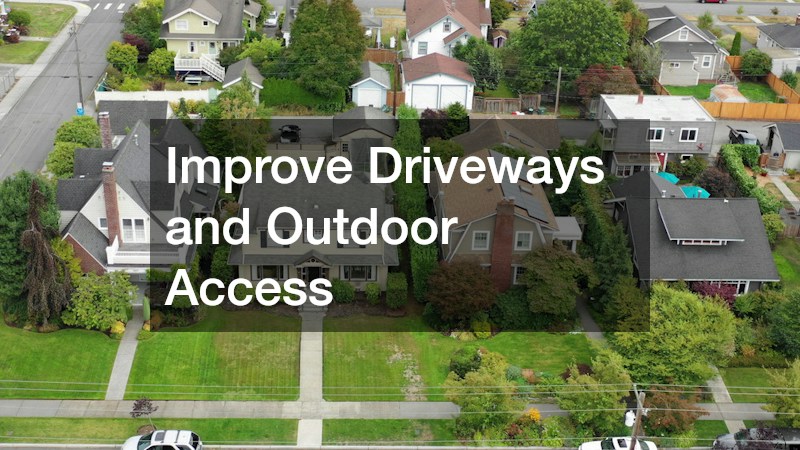
Driveways, parking areas, and paved walkways play an important role in both function and curb appeal. Cracked, uneven, or poorly drained surfaces can make a property feel neglected even when surrounding landscaping is well maintained. A paving contractor service can help address worn surfaces or create new paved areas that improve access around the home.
Before choosing a paving material, homeowners should consider how the surface will be used. Driveways must support vehicle weight, while walkways need to provide comfortable pedestrian access. Areas near pools, patios, or garden spaces may have different traction and drainage needs. Asphalt, concrete, pavers, and other materials each offer different advantages depending on the application.
Drainage is especially important when paving larger sections of a property. New surfaces can change the direction and volume of runoff, so water movement should be considered before installation. Proper grading can help direct water away from buildings and prevent pooling in low areas.
Paved areas should also connect logically with the rest of the outdoor design. A walkway can guide guests from the driveway to the main entrance, while side paths can provide easier access to gardens, sheds, or backyard entertainment spaces. When paving is planned alongside landscaping and hardscaping, these functional surfaces can contribute to a more polished overall appearance.
Add Privacy and Define Outdoor Spaces
Fencing can serve several purposes at once, including privacy, security, boundary definition, and visual separation between different areas of a yard. Experienced fencing contractors can help homeowners evaluate which materials and fence styles fit the property’s needs while accounting for local conditions and installation requirements.
The best fence design depends on what the homeowner wants to accomplish. A tall privacy fence may be appropriate around a backyard seating area, while a more open design may be preferred in the front yard. Households with pets or children may prioritize secure enclosures, while homeowners with gardens may want fencing that helps protect plants.
Material choice also affects maintenance and appearance. Wood offers a traditional look but may require periodic staining or sealing. Vinyl can provide privacy with relatively simple maintenance, while metal fencing may suit homeowners who want visibility and defined boundaries. The home’s architecture and surrounding landscape should influence the final selection.
Fencing can also help divide larger properties into functional zones. A garden, pool area, play space, or utility section can be visually separated without making the yard feel disconnected. When fence lines are coordinated with patios, walkways, planting beds, and other features, they can strengthen the structure of the overall landscape design.
Create a Comfortable Lawn and Recreation Area
A usable lawn can provide valuable space for children, pets, recreation, or casual gatherings, but natural grass is not the only option. Residential turf install projects have become one way homeowners can create consistent green areas in locations where traditional lawns may be difficult to maintain or where reducing routine mowing is a priority.
Before selecting turf, homeowners should consider how the area will be used. A decorative section of lawn may have different requirements than a play area that receives frequent foot traffic. Drainage, sun exposure, slope, pet use, and surrounding vegetation can all influence whether turf is appropriate and how the base should be prepared.
Artificial turf also needs to fit visually with the rest of the property. The shape of the lawn, bordering materials, nearby planting beds, and transitions to patios or walkways can determine whether the finished area feels natural within the broader design. Curved edges and thoughtful plant placement can soften transitions between synthetic surfaces and living landscapes.
For homeowners who prefer natural grass, many of the same planning principles still apply. Soil preparation, irrigation, drainage, and sunlight should be evaluated before establishing a new lawn. Whether the final surface is natural or manufactured, careful installation helps create a recreation area that supports the household’s day-to-day needs.
Protect and Incorporate Existing Trees
Mature trees can be some of the most valuable features in an established landscape. They provide shade, add visual scale, and can make outdoor living areas more comfortable during warmer months. Local tree services can help homeowners evaluate existing trees before major construction begins, particularly when excavation, paving, fencing, or new structures will be installed nearby.
Construction can affect trees in ways that are not immediately visible. Heavy equipment may compact soil over root zones, trenching can damage roots, and changes in grading may alter drainage around established trees. Identifying important trees early allows designers and contractors to plan work areas and access routes with those risks in mind.
Tree care may include pruning damaged branches, removing unsafe trees, or managing vegetation that conflicts with planned improvements. In some cases, removing a declining or poorly located tree can create space for a new patio or lawn area. In other cases, preserving a healthy mature tree may become a central feature of the design.
Trees should also be considered when planning future maintenance. Falling leaves, roots, shade patterns, and mature canopy size can affect lawns, patios, pools, and planting beds. Coordinating tree care with other improvements helps homeowners make better use of existing natural features while avoiding preventable conflicts between vegetation and construction.

Finish With Outdoor Living Features
Once the structural elements of the property are in place, outdoor living features can turn a renovated yard into a space people actively use. Seating areas, lighting, kitchens, pergolas, water features, and backyard fireplaces can create comfortable gathering spaces that extend the home’s living area outdoors.
The most effective outdoor features are designed around how the household spends its time. A family that hosts large groups may benefit from flexible seating and open circulation, while a smaller household may prefer a quiet fire feature surrounded by comfortable chairs. Lighting can improve evening usability, and shade structures can make patios more comfortable during sunny weather.
Placement is important for both convenience and visual balance. Outdoor living areas should be easy to reach from the home, particularly if food or drinks will frequently be carried outside. They should also account for views, wind patterns, neighboring properties, and nearby landscaping. Fire features require additional attention to appropriate placement, materials, and local requirements.
Homeowners can benefit from reviewing maintenance expectations before choosing materials and features. A beautiful renovation should remain manageable after construction crews leave. Understanding cleaning, sealing, pruning, watering, repair, and seasonal care requirements can help prevent surprises. When each component is selected with both appearance and upkeep in mind, the finished property is more likely to remain practical, cohesive, and enjoyable through seasons and evolving household needs.
A successful property upgrade brings all of these elements together. Landscaping, paving, fencing, turf, trees, hardscaping, and gathering areas should feel like parts of one coordinated environment. By planning from the ground up and completing improvements in a logical order, homeowners can create outdoor spaces that are functional, attractive, and suited to the way they want to live.