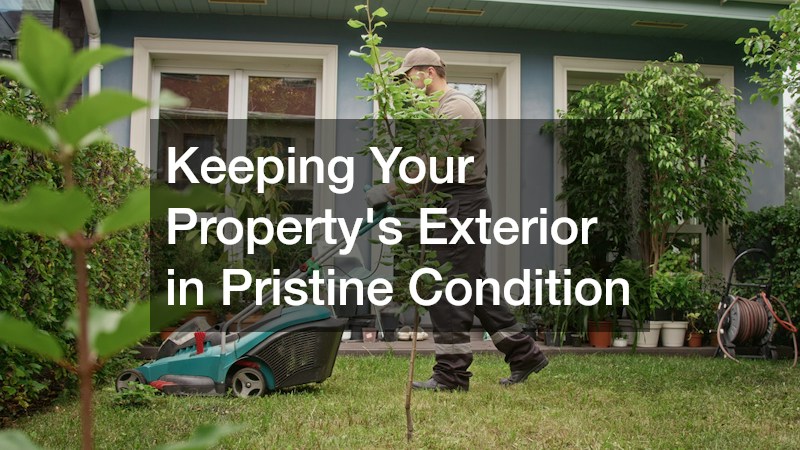
The impact of curb appeal extends beyond making a first impression on neighbors or potential buyers. A well-maintained exterior reflects care and personal pride. Keeping your home’s exterior in pristine condition is about proactive preservation. Your property faces elements like UV rays, rain, freezing temperatures, and daily wear and tear. A pristine exterior requires ongoing maintenance, smart upgrades, and professional help when needed. By caring systematically for your outdoor spaces, you protect your investment and create a sanctuary.
Establish a Consistent Watering Schedule and Fortify Soil Health
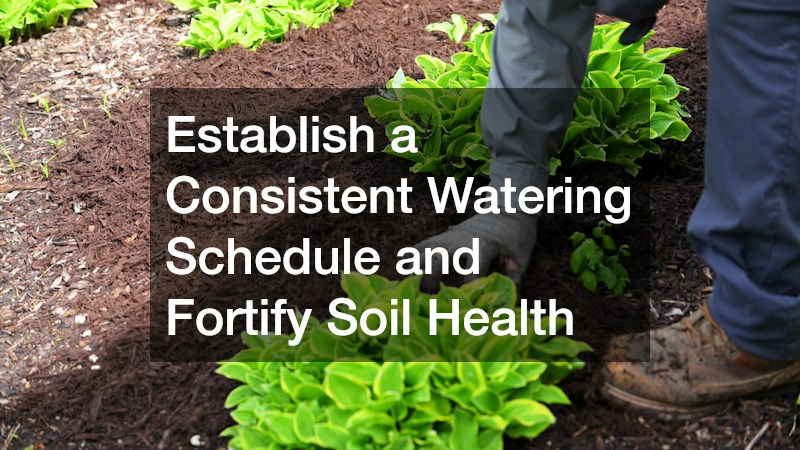
The foundation of any breathtaking landscape lies hidden beneath the surface in the quality of the soil and the consistency of its hydration. Many homeowners make the mistake of overwatering or underwatering their lawns, leading to shallow root systems that are highly susceptible to disease, drought, and weed invasions. To cultivate a vibrant, resilient green space, you must focus on optimizing moisture retention and delivering nutrients precisely when your plants need them.
Establishing an effective watering schedule means abandoning the daily, shallow sprinkle in favor of deep, infrequent watering. This strategy forces roots to grow deeper into the soil in search of moisture, creating a stronger, more drought-resistant lawn. The time of day you water is equally critical; early morning is universally recognized as the best time, as it allows the water to soak deeply into the soil before the afternoon sun causes rapid evaporation, while also ensuring the grass blades dry off before evening, which prevents fungal diseases. For those with expansive yards or complex garden beds, consulting with a lawn irrigation company can be a game-changer. They can perform a comprehensive audit of your current sprinkler system, pinpointing wasteful leaks, optimizing head placement for even coverage, and upgrading your controller to a smart, weather-responsive timer.
Furthermore, locking that essential moisture into the ground is the next critical step. Bare soil is highly vulnerable to rapid evaporation, soil erosion during heavy rains, and the aggressive propagation of airborne weed seeds. Applying a protective barrier around your flower beds, shrubs, and young trees is non-negotiable for a pristine look.
- Audit for Coverage: Regularly run your sprinklers and place empty tuna cans around the yard to measure if water is being distributed evenly, aiming for about one inch of water per week.
- Embrace Smart Tech: Install rain sensors or smart controllers that automatically pause your watering schedule during and immediately after local rainstorms to prevent over-saturation.
- Apply a Protective Layer: Spread a robust two-to-three-inch layer of organic material over bare soil to regulate ground temperature, retain moisture, and smother emerging weed seedlings.
- Source Quality Materials: Always purchase your ground cover from reputable local mulch suppliers to ensure the material is properly aged and entirely free of invasive pests and weed seeds.
Repair Surface Cracks and Protect High-Traffic Pathways Before Winter
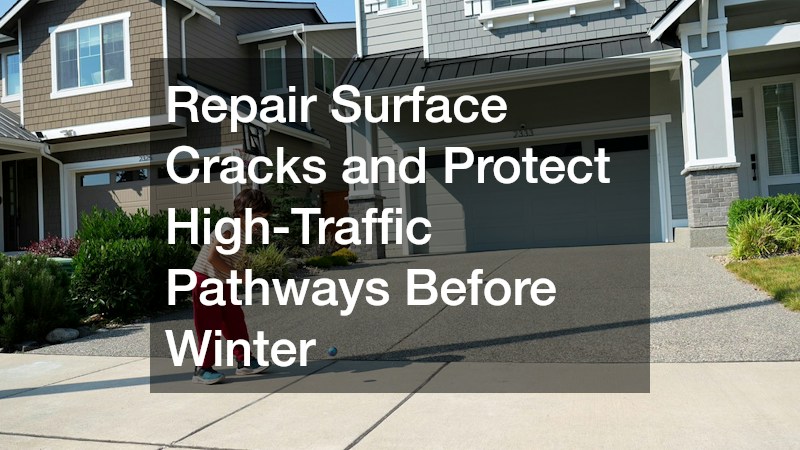
Your driveways and walkways are the functional arteries of your property, enduring an immense amount of stress from heavy vehicles, foot traffic, and extreme weather fluctuations. A pristine exterior demands that these hardscapes remain smooth, level, and free of unsightly blemishes. Unfortunately, concrete and asphalt are porous materials, and without proper vigilance, minor surface imperfections can rapidly deteriorate into massive structural failures, especially when exposed to the brutal freeze-thaw cycles of winter.
The primary enemy of any hardscape is water infiltration. When tiny hairline cracks form due to the natural settling of the earth or the heavy burden of parked cars, they create pathways for water to seep beneath the surface. If this water freezes, it expands with incredible force, a process known as ice wedging. This expansion shatters the surrounding material, turning a minor crack into a dangerous, unsightly pothole by the time spring arrives. Homeowners must adopt a proactive routine of sweeping, cleaning, and closely inspecting their driveways for these vulnerabilities before the cold weather sets in. For larger structural sinkholes, alligator cracking, or deep foundational issues, relying on advanced asphalt paving techniques is required to excavate the damaged area and lay down a fresh, perfectly graded surface that will shed water correctly.
Beyond filling cracks, you must actively protect the surface from the top down. Ultraviolet radiation from the sun constantly bakes the surface, causing the binders in the material to oxidize and become brittle over time. Chemical spills, such as motor oil, gasoline, or antifreeze, also eat away at the surface, leaving permanent, ugly stains.
- Conduct Quarterly Inspections: Walk your entire driveway and all pathways every three months to document and immediately fill any cracks wider than a quarter of an inch using a high-quality, flexible crack filler.
- Address Foundation Sinking: If you notice water pooling in the center of your driveway after a rainstorm, the base layer has likely failed and requires immediate professional leveling.
- Prevent Chemical Damage: Promptly clean up any automotive fluid spills using an absorbent material like cat litter or baking soda, followed by a stiff brush and a heavy-duty degreaser.
- Restore the Surface Barrier: Schedule regular maintenance with local sealcoating services every two to three years to replenish the waterproofing barrier, restore flexibility, and revive that highly coveted, freshly laid jet-black appearance.
Create Weather-Resistant Gathering Zones with Proper Shade and Seating
Transforming your backyard from a simple patch of grass into a highly functional, year-round outdoor living space is a hallmark of a pristine property. A well-designed patio or deck invites relaxation and entertaining, but these gathering zones quickly lose their appeal if they are battered by the elements. Creating a space that remains inviting and beautiful regardless of the season requires a strategic approach to selecting materials and managing your exposure to the environment.
Curating durable comfort begins with the foundation of your gathering space: the seating and dining arrangements. It is tempting to opt for aesthetically pleasing but delicate materials, but the reality of outdoor living demands industrial-grade durability. A pristine space shouldn’t look weathered, rusted, or sun-bleached after just one summer. When selecting items for your patio, prioritize rust-proof metals like powder-coated aluminum, naturally rot-resistant woods like teak or cedar, and high-density polyethylene for woven wicker styles. Investing in high-quality outdoor furniture ensures that your seating arrangements will structurally endure torrential downpours and intense UV radiation without peeling, splintering, or losing their structural integrity. Furthermore, fabric selection is paramount; insist on solution-dyed acrylics that resist mildew and fading, ensuring your cushions remain vibrant year after year.
Equally important to the durability of your furnishings is your ability to control the elements within the space. A pristine patio is virtually useless if it is blindingly hot during the afternoon or completely exposed to passing rain showers. Strategic shade solutions protect your family and your furnishings alike.
- Prioritize Material Longevity: Always check the specifications of patio chairs and tables, opting for marine-grade hardware and materials explicitly engineered to withstand your specific regional climate.
- Implement Proper Storage: Extend the lifespan of your patio investments by storing cushions in a waterproof deck box when not in use and utilizing breathable, custom-fit covers during the harsh winter months.
- Install Dynamic Shade Solutions: Consider reaching out to professional awning services to design and install custom retractable fabric shades or stationary aluminum covers that block intense solar heat and protect your decking from fading.
- Ensure Adequate Drainage: Verify that your patio furniture is designed with slatted bottoms or mesh seating that allows rainwater to pass through quickly, preventing stagnant pooling and mold growth.
Install Strategic Illumination and Build Durable Architectural Focal Points

When the sun sets, a truly pristine property does not simply fade into the darkness; it transforms. Strategic illumination and the inclusion of well-crafted architectural structures elevate a yard from a flat expanse of green into a dynamic, multi-dimensional landscape. Proper lighting is not just an aesthetic upgrade; it is a vital component of property security and safety, guiding footsteps and deterring unwanted visitors, while architectural elements provide the visual anchors that tie the entire outdoor aesthetic together.
Layering your illumination requires a thoughtful balance. Over-lighting a yard makes it look like a commercial parking lot, while under-lighting leaves dangerous tripping hazards hidden in the shadows. A masterfully lit property utilizes three distinct layers: path lighting to safely guide guests along walkways, spotlighting to dramatically highlight the textured bark of mature trees or the cascading water of a fountain, and ambient lighting to create a warm, inviting glow around seating areas. Because outdoor electrical work involves burying cables in wet soil and ensuring systems can survive freezing temperatures, it is highly recommended to collaborate with professional landscape lighting services to design a low-voltage LED system. They can ensure wiring is safely trenched to code and install automated photocells that adjust to the changing hours of dusk throughout the year.
Beyond lighting, defining the physical space with vertical elements draws the eye upward and provides a sense of enclosure and purpose to an open yard. Without vertical anchors, a landscape can feel completely unmoored.
- Layer the Lighting: Combine different lighting techniques, such as moonlighting (placing lights high in tree branches to cast shadows downward) and uplighting, to create depth and drama across the yard.
- Prioritize Safety First: Ensure every transition zone—such as stairs, changes in walkway elevation, and the perimeter of swimming pools—is clearly illuminated to prevent accidents.
- Anchor with Woodcraft: Elevate the architectural interest of your backyard by building sturdy, elegant timber frame structures, such as a custom pergola or a heavy-beamed pavilion, to define your outdoor kitchen or dining area.
- Integrate Nature and Structure: Use these heavy wooden installations as the perfect foundational support for climbing vines, hanging planters, or romantic string lights, seamlessly blending the natural and built environments.
Prune Overhanging Branches and Reinforce Structural Borders

The final, and often most overlooked, phase of maintaining a pristine exterior involves managing the boundaries of your property. This includes both the upper canopy overhead and the hardscape borders down below. Left unchecked, nature will aggressively reclaim your meticulously manicured spaces. Trees will encroach on your roofline, and the sharp, clean lines separating your lush lawn from your stone walkways will blur, creating a sloppy, unkempt appearance.
Managing the health and trajectory of your property’s canopy is a matter of both aesthetics and profound safety. Overhanging branches that scrape against asphalt shingles during high winds can strip the protective granules off your roof, leading to water leaks inside the home. Furthermore, heavy limbs that loom over power lines, driveways, or patios pose a catastrophic risk during heavy snow accumulations or violent thunderstorms. Identifying dead, diseased, or structurally compromised wood requires a trained eye. Because arboriculture involves working at dangerous heights with heavy equipment, homeowners should heavily rely on certified tree services for routine canopy thinning, crown reduction, and the safe removal of hazardous limbs without damaging the landscaping below.
Down at ground level, maintaining sharp, distinct borders is the visual signature of a pristine property. When the transition from grass to stone is perfectly level and cleanly edged, the entire yard looks instantly elevated. However, freeze-thaw cycles and ground settling will inevitably cause brick borders to heave and patio stones to shift out of alignment.
- Establish Clearance Zones: Ensure all tree branches are pruned back at least six to ten feet from the exterior walls and roofline of your home to prevent physical damage and deter pests from accessing the attic.
- Look for Signs of Decay: Regularly inspect the trunks and major junctions of your large shade trees for fungal brackets, deep vertical cracks, or insect infestations that indicate a hollow, failing structure.
- Maintain Clean Hardscape Edges: Use a mechanical edger along the perimeter of your sidewalks and driveways every few weeks during the growing season to prevent grass runners from encroaching on the pavement.
- Correct Heaving Hardscapes: If your retaining walls are leaning or your walkway pavers have become dangerous tripping hazards, bring in experienced paving contractors to completely excavate the area, re-compact the crushed gravel base layer, and reset the stones perfectly flush.
- Lock Stones in Place: After resetting any shifted brickwork or natural stone pathways, sweep high-quality polymeric sand into the joints and activate it with water to lock the borders tightly in place and prevent future weed growth.
Achieving and maintaining a flawless exterior is not a task that can be accomplished in a single weekend marathon of yard work. It is a continuous, rewarding process that requires balancing the organic health of your living landscape with the structural integrity of your hardscapes. By taking a systematic, detailed approach to your property, you transition from constantly putting out fires to proactively preserving your home’s value and beauty.
When you prioritize deep soil hydration, rigorously defend your pathways against water infiltration, invest in durable patio materials, illuminate your yard strategically, and manage your property’s borders, you create an environment of unparalleled curb appeal. Tackling these projects season by season prevents the stress of deferred maintenance and saves you significant money by avoiding major repairs. Take the time this weekend to walk your property, identify neglected areas, and begin scheduling the essential maintenance that will keep your home breathtaking for years to come.